March 9th, 2016

A dental sealant is a liquid that is applied to the teeth. The sealant hardens and provides a protective coating that is designed to reduce cavities and create a smoother tooth surface. Dental sealants are clear or white; they do not take away from the appearance of teeth. You can think about this treatment as being similar to varnish that protects a wood floor.
Sealants are not the same as fluoride treatments. The application is similar, but sealants are a semi-permanent protective coating. Dr. Tang and our staff recommend that sealant applications for children begin soon after molars erupt, first molars around the age of six, and second molars around the age of 12.
Simple Application
Having sealants applied is not uncomfortable at all. First, your child's teeth will be cleaned and dried. A gel is applied, which helps the sealant adhere to the tooth, and then is rinsed away. Your child's teeth are dried again and the sealant is applied. A few seconds of exposure to a light source may be used to cure the sealant and make it semi-permanent. Sealants should last for a long time, normally between five and ten years.
Sealant Benefits
The coating on the surface of your child's teeth reduces the amount of acid contact. Normal acids in foods that are consumed can eat away at the surface of teeth. Bacteria also react to plaque formation and create more acid in the mouth. These small pits or weakened areas are prone to caries or cavity formation. Preventing cavities is a much better choice than drilling and filling damaged teeth.
A sealant also helps to smooth the chewing surfaces of your childn't teeth. The smoother surface is not as likely to retain small particles of food and bacteria. Your child's mouth stays cleaner and food is not left behind to form acids. The protective application can also be used on other teeth that have a rough surface, to protect the grooves or pits from decay.
After the sealant is applied, your child still needs to take proper care of his or her teeth. Regular brushing and flossing is required. Dr. Tang may recommend fluoride treatments to strengthen and protect your child's teeth further.
If you have any concerns about sealants, please discuss them with during your child's next appointment at Just 4 Kids Pediatric Dentistry. We want your little one's teeth to stay healthy for life.
March 8th, 2016
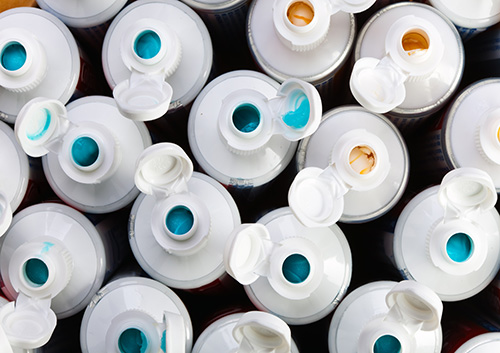
Between the huge number of toothpaste brands on the market today, the different flavors, and claims from most to do different things, it isn’t surprising that people feel so confused when it comes to something that should be as simple as buying a tube of toothpaste. This guide will help you identify the common ingredients in toothpaste, and help you understand the important factors to consider before buying toothpaste again.
Toothpaste comes in gel, paste, and powdered forms. When it comes to the type of toothpaste, the choice is more a matter of preference.
Basic Ingredients
- Abrasive Agents – Abrasive agents are the scratchy substances added to toothpastes to help in the removal of food particles, bacteria, and minor stains. Calcium carbonate is one of many abrasive materials, and arguably the most common.
- Flavor – When toothpastes are flavored, they almost always have artificial sweeteners to enhance the flavor of the toothpaste and increase the likelihood that you’ll use it. Flavors run the gamut from traditional mint to cinnamon that may appeal to adults, and bubble gum or lemon lime – flavors to target children.
- Humectants – Humectants are moisturizing agents that keep paste and gel toothpastes from drying out. Glycerol is commonly used as a humectant.
- Thickeners – Thickeners are used to give toothpaste its distinctive consistency, and to make it maintain a uniform consistency and come out of the tube easily.
- Detergents – Sodium lauryl sulfate is the most common detergent used in products that foam up, like toothpaste does in your mouth.
What to Look For in Toothpaste
Fluoride is naturally occurring mineral. It is the most important ingredient to look for in a toothpaste. Although there are people who argue against using fluoride toothpaste, dental professionals like Dr. Tang emphasize that the fact that the incidence of tooth decay has decreased so significantly in the past 50 years is because of fluoridated toothpaste.
The suggestion that fluoridated water gives you enough fluoride to protect your teeth is wrong. Fluoride toothpaste is the best cavity protection there is. In addition to strengthening tooth enamel and protecting teeth from acid erosion (from acidic foods and drinks,) it remineralizes the surfaces of teeth that are suffering from early acid damage and may prevent developing tooth decay from worsening.
Tartar Control
Tartar is the result of hardened plaque buildup on the teeth. Good oral hygiene and in between twice yearly cleanings from a dental hygienist are the best defense against plaque buildup. Plaque turns to tartar when people neglect their oral hygiene. Over time, tartar can build up on teeth and under the gums, increasing the risk of gum disease.
Your best bet is to use a toothpaste that has a combination of anti-plaque agents. Products containing more than one plaque reducer may be more effective than products that only one. Common ingredients to look for are zinc citrate or pyrophosphates. Triclosan is an antibiotic that is believed to kill bacteria in the mouth, and it can be found in some anti-plaque toothpaste.
Look for toothpaste that bears the seal of the Canadian Dental Association. That seal is an endorsement of the CDA – and it means that many dentists agree that that particular toothpaste does what toothpaste is designed to do. We can also recommend toothpaste to meet your specific oral health concerns at your next visit to our Surrey, BC office.
March 8th, 2016

Every moment of your baby’s first year of life is precious, since every day your child grows a little, develops new skills, and discovers new things. Most of it is wonderful, but parents don’t like to see their babies in pain. That’s why teething can be such a hard experience. However, you can take steps to make it easier for you and your baby.
What to Expect
Most babies begin teething around the age of six months, when the lower central incisors start to appear. Shortly after this time, the upper central incisors poke through, followed by the lateral incisors, first molars, canines, and second molars. Unfortunately, you’ll probably know that your baby is teething not because you see these teeth come in, but because your baby will be in discomfort. These are some of the signs to watch for when you’re expecting your baby to begin teething.
- Tender and sore gums
- More drooling than before
- Being crankier than usual
- Chewing on hard objects
What You Can Do
As a parent, you want to do everything you can to make your child more comfortable. These are some approaches that Dr. Tang and our team recommend:
- Take a clean moistened wash cloth or use your own washed finger to rub your baby’s gums and provide relief due to the pressure.
- Provide a firm rubber teething ring for your baby to use, but don't use the type that is filled with liquid.
- Use a bottle. A bottle filled with cold water can be soothing. Don’t give your baby formula, milk, or juice constantly because the sugar can cause tooth decay.
- Medications can help for extreme crankiness. Infant Tylenol is an example, but it’s best to check with your pediatrician before giving your baby medications.
You might also want to take special care to dry the drool. It’s not just to keep yourself and your baby dry. Keeping your baby’s skin dry can help prevent irritation.
When to Visit Us
Once your child’s first tooth comes in, it’s time to start thinking your baby’s first trip to our Surrey, BC office. The Canadian Dental Association suggests that you bring your child to the dentist within six months of the appearance of the first tooth, or at about one year of age. Dr. Tang can do a quick check for tooth decay, and we’ll make sure you know how to take care of your child’s new teeth.
February 17th, 2016
According to the Canadian Academy of Pediatric Dentistry, your child should visit a dentist, like Dr. Tang, when his or her first tooth pops through the gum, or by time they are one year old.
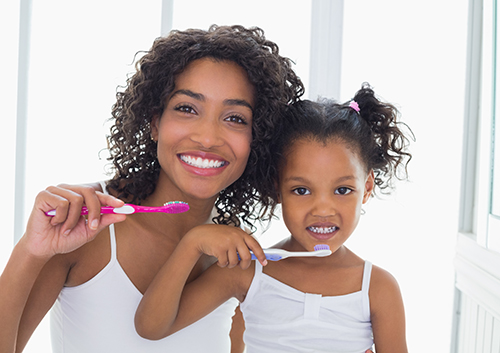
Children do not always want to brush their teeth. In fact, the average child has three cavities by the time they reach their third birthday. However, if you make brushing fun for them, they will look forward to it, and develop a lifelong habit of good oral hygiene.
How to Make Brushing Fun
- Let them pick out their own toothbrush, like one with their favorite cartoon character.
- Allow your child to choose their own special toothpaste, as long as it adheres to CAPD guidelines for safety.
- Brush to a fun song that is two to three minutes long. When the music stops they are done brushing.
- Brush your teeth with them. Make it a family affair!
- Toddlers may be afraid of having their teeth brushed or brushing them by themselves. Allow them watch as you brush your teeth; this will help them to see that brushing their own teeth will not hurt them.
- Reward systems are great incentives for children, just don’t overdo it. You’re trying to instill good brushing habits, not simply reward them for something they need to do.
- Try an app on your phone; you’ll be surprised how many there are and how much fun your child will have using them.
- It’s important to make sure every tooth gets brushed, so as you child brushes their teeth, count them. Then when they are finished ask them how many teeth they have. You can switch it up a little by giving each tooth a silly name or make up a short rhyme about each tooth as your child brushes.
- Use educational tools, such as the movie “The Adventures of Timmy the Tooth.”
- Read books to your child about brushing their teeth and good oral hygiene.
All you need is a little imagination to help your child learn to love brushing their teeth!