Our Blog

Tell us about your summer!

July 5th, 2023

The dog days of summer are upon us, and what better time for Dr. Wendy Tang and Dr. Amy Bellamy and our team to ask our patients about their summer!

Whether you traveled to another country, went on a camping trip, or just stayed in Surrey, BC and relaxed, we want to know how you’re all spending your summer! Please feel free to share your summer plans and experiences with us below or on our Facebook page as summer rolls on!

Summer Sports and Mouthguards

July 5th, 2023

School’s out and you’ve emptied your gym locker until next fall. But while you’re stowing away the football gear, the basketball warm-ups, the field hockey sticks, and all the other equipment you’ve collected over the school year (that’s where that other shoe went!), be sure to keep one item handy: your mouthguard.

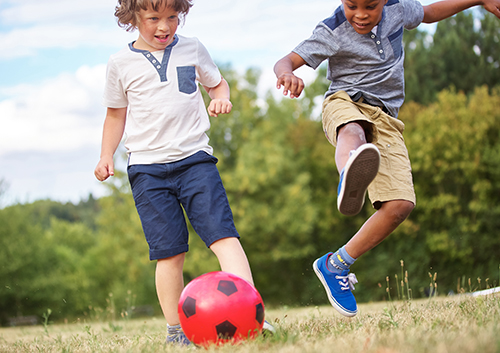
Team and contact sports like football, basketball, and wrestling aren’t the only potential dental dangers. In fact, almost any sport or activity can be made safer when you use your mouthguard.  While you’re keeping active and fit in the summer months, remember to look out for your smile.

  • Sports on wheels

Biking, skate boarding, rollerblading—it only takes one fall to make you realize that roads, sidewalks, and concrete are not ideal landing pads. If you do take a spill, using a mouthguard, along with your helmet, will help protect your teeth and jaw.

  • Court sports

Handball and tennis are not what we consider contact sports, but an unexpected bounce from a ball, or a completely unexpected backhand from your partner, can lead to dental injuries. Ace your workout and wear a mouthguard.

  • Water sports

A fall in the water can lead to a collision with your surfboard or water skis, and water polo often seems to be a game of stamina, accuracy and elbows. Wear your mouthguard on land and sea, and help reduce your chance of dental injury.

  • Team sports

Anyone who has played summer league baseball, softball or soccer knows that occasional contact with other players is pretty much a given. Cushioning your head, mouth, and teeth with a mouthguard will not only protect you, but keep you in the game—and your teammates will appreciate that!

If you already use a mouthguard, keep up the good work! If you don’t, talk to Dr. Wendy Tang and Dr. Amy Bellamy about the importance of protecting your smile with a mouthguard. There are ready-made options available at drug stores and sporting goods shops. These will provide protection to your mouth and teeth, but can sometimes be bulky and uncomfortable and should never be used with braces. If you would like a mouth protector that provides the best fit and comfort, or if you wear braces, we can customize a mouthguard in our Surrey, BC office that will be a perfect fit for your teeth and bite.

Whatever activity you choose, play it smart! Don’t gear up without your mouthguard, and you’ll greet next year’s classes energized, fit, and sporting a beautiful smile!

Are baby teeth really that important?

June 28th, 2023

Your infant’s first teeth will begin to appear around six to 12 months of age. You might wonder how important these primary teeth really are. After all, baby teeth are destined to fall out within a few years and be replaced by a full set of permanent teeth. However, baby teeth have important functions, and proper care can set the stage for excellent oral and overall health.

Promote Better Nutrition

The appearance of your baby’s primary teeth around six to 12 months of age coincides with changes in your infant’s nutritional needs. Beginning at six months, exclusive breastfeeding is no longer nutritionally sufficient; this is the age at which you should introduce solid foods.

At six to eight months, when your baby can start to chew, strained or pureed fruits and vegetables are appropriate. As your little one’s teeth grow in and chewing abilities progress through 12 months of age, you can gradually add cereal, bread, cooked meats, and other adult foods to his or her nutritious diet.

Increase the Life Expectancy of Baby Teeth

Although baby teeth are inevitably going to fall out and be replaced by permanent ones, making baby teeth last serves an important role that can have benefits into the future. Baby teeth serve as placeholders for permanent teeth. If they decay and fall out too soon, permanent teeth are more likely to grow in crooked.

How to Take Care of Baby Teeth

Your baby’s primary teeth are already in his or her mouth at birth; they are just invisible because they have not broken through the gums. Since they are already present, your baby can get cavities if you do not practice proper oral hygiene from the beginning.

  • Do not let your baby fall asleep with a bottle in his or her mouth.
  • Brush your child’s baby teeth twice a day as soon as they come in.
  • Floss your child’s teeth as soon as he or she has two teeth that touch.
  • Visit Just 4 Kids Pediatric Dentistry for your baby’s first checkup when the first tooth arrives.

Using Sippy Cups Successfully

June 28th, 2023

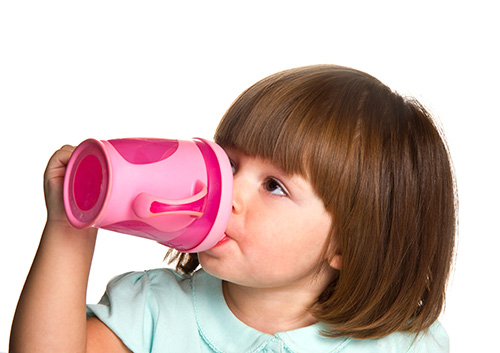
Congratulations! Your child is beginning to leave her bottle behind and has started to use her first sippy cup. And the best training cup is one that makes the transition from bottle to cup an efficient, timely, and healthy one.

The Right Training Cup

While a “no spill” cup seems like the perfect choice for toddler and parent alike, those cups are designed much like baby bottles. The same valve in the no-spill top that keeps the liquid from spilling requires your child to suck rather than sip to get a drink. If your child’s cup has a top with a spout, she will learn to sip from it. Two handles and a weighted base make spills less likely.

When to Use a Training Cup

Children can be introduced to a sippy cup before they are one year old, and we suggest phasing out the bottle between the ages of 12 and 24 months. Use a sippy cup as the source for all liquids at that age, and only when your child is thirsty and at mealtime to avoid overdrinking. The transition from sippy cup to regular cup should be a swift one.

Healthy Sipping Habits

The best first option in a sippy cup between meals is water. Milk or juice should be offered at mealtimes, when saliva production increases and helps neutralize the effects of these drinks on young teeth. And don’t let your child go to sleep with anything other than water—falling asleep with a cup filled with milk, juice, or other sugary drinks means these liquids stay in the mouth overnight. Finally, while a sippy cup is convenient and portable, don’t let your young child walk and sip at the same time to avoid injuries.

When your child comes to our Surrey, BC office for her first visit, please bring any questions you might have about training cups. We would be glad to share ways to make the move from bottle to cup both successful and safe!

Mon 8:00am to 4:00pm Tue 8:00am to 4:00pm Wed 8:00am to 4:00pm Thu 7:30am to 5:00pm Fri 8:00am to 4:00pm