Our Blog

Ways to Make Brushing Fun for Your Child

July 19th, 2023
According to the Canadian Academy of Pediatric Dentistry, your child should visit a dentist, like Dr. Wendy Tang and Dr. Amy Bellamy, when his or her first tooth pops through the gum, or by time they are one year old.

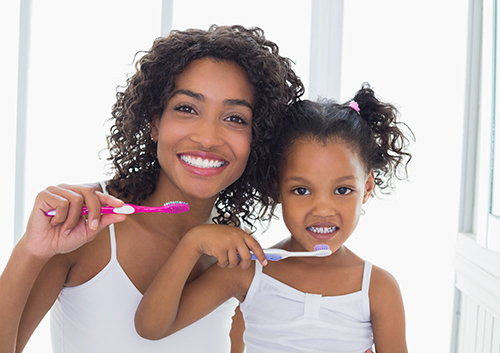
Children do not always want to brush their teeth. In fact, the average child has three cavities by the time they reach their third birthday. However, if you make brushing fun for them, they will look forward to it, and develop a lifelong habit of good oral hygiene.

How to Make Brushing Fun

  • Let them pick out their own toothbrush, like one with their favorite cartoon character.
  • Allow your child to choose their own special toothpaste, as long as it adheres to CAPD guidelines for safety.
  • Brush to a fun song that is two to three minutes long. When the music stops they are done brushing.
  • Brush your teeth with them. Make it a family affair!
  • Toddlers may be afraid of having their teeth brushed or brushing them by themselves. Allow them watch as you brush your teeth; this will help them to see that brushing their own teeth will not hurt them.
  • Reward systems are great incentives for children, just don’t overdo it. You’re trying to instill good brushing habits, not simply reward them for something they need to do.
  • Try an app on your phone; you’ll be surprised how many there are and how much fun your child will have using them.
  • It’s important to make sure every tooth gets brushed, so as you child brushes their teeth, count them. Then when they are finished ask them how many teeth they have. You can switch it up a little by giving each tooth a silly name or make up a short rhyme about each tooth as your child brushes.
  • Use educational tools, such as the movie “The Adventures of Timmy the Tooth.”
  • Read books to your child about brushing their teeth and good oral hygiene.

All you need is a little imagination to help your child learn to love brushing their teeth!

When do children usually lose their baby teeth?

July 19th, 2023

Many parents worry that their children’s teeth are not falling out on time. A lot of concerned parents want to know: When will my child lose his or her first baby tooth? At what age should the last tooth fall out? Is there a specific order in which the teeth are lost?

Dr. Wendy Tang and Dr. Amy Bellamy and our team explain that a child's 20 baby teeth (primary teeth) typically come in by age three and begin to loosen and fall out on their own to make room for permanent teeth, which usually appear by the time your child is six. It is important to know that timing may vary, and girls typically lose their baby teeth earlier than boys. The last baby teeth will likely fall out by the time your child is 13.

So, which teeth do children lose first? Baby teeth tend to fall out in the order in which they came, which means the lower center incisors are usually the first to go when your child is between six and seven years old. The next teeth your child will lose are his or her top center pair, also called the upper central incisors.

It’s important to note that if a child loses a baby tooth early as a result of decay or an unforeseen accident, his or her permanent tooth may erupt early and potentially come in crooked due to limited space. If your child suffers an injury or has tooth decay, we encourage you to give us a call to set up an appointment with Dr. Wendy Tang and Dr. Amy Bellamy.

While we know some children couldn’t be more excited to lose their baby teeth, we know others are anxious about this childhood milestone. When your child starts to lose teeth, our team at Just 4 Kids Pediatric Dentistry encourages you to stress the importance of proper dental care on a daily basis.

Remember to:

  • Remind your child to brush his or her teeth at least twice a day. Supervise and offer assistance as needed.
  • Help your child floss his or her teeth at bedtime.
  • Limit eating and drinking between meals and at bedtime, especially sugary treats and drinks, such as candy and soda.
  • Schedule regular dental visits for your child every six months.
  • Ask about the use of fluoride treatments and dental sealants to help prevent tooth decay.

To learn more about baby teeth, or to schedule your child's next visit with Dr. Wendy Tang and Dr. Amy Bellamy at our Surrey, BC office, please give us a call today!

Dental Emergencies in Children

July 12th, 2023

Unfortunately, dental emergencies can sometimes be unavoidable among young children. The good news is Dr. Wendy Tang and Dr. Amy Bellamy can help you prepare in case you and your child find yourselves in any of the following situations.

Teething

Starting at about four months and lasting up to three years, your son or daughter may experience teething pain. It’s common for teething children to grow irritable and become prone to drooling due to tender gums. Give your child a cold teething ring or rub his or her gums with your finger to help relieve the discomfort.

Loss of Teeth

If a baby tooth is knocked out in an accident, bring your child to our Surrey, BC office to make sure damage hasn’t occurred in the mouth. Permanent teeth can sometimes grow in before baby teeth have fallen out. In this situation, Dr. Wendy Tang and Dr. Amy Bellamy should examine your child to make sure teeth are growing in properly. This can prevent serious issues from arising later in adulthood.

Gum Issues

Bleeding gums could mean several things. They may be an early sign of periodontal disease, which results from poor oral hygiene. Gums may also bleed if a youngster is brushing too hard or has suffered an injury to the gum tissue.

Rinse your child’s mouth with warm salt water and apply pressure to the area if bleeding continues. Don’t hesitate to contact our Surrey, BC office if you are concerned so we can schedule an appointment.

As a parent, you can provide the best education for your children on proper oral hygiene habits. If you some coaching, ask Dr. Wendy Tang and Dr. Amy Bellamy for tips during your next appointment.

Snacks for Healthy Teeth

July 12th, 2023

Concerned parents often ask Dr. Wendy Tang and Dr. Amy Bellamy about which kinds of snacks are best for a child's teeth. While most know that candy isn't always the best choice, many parents are confused about which kinds of after-school snacks can actually be beneficial for teeth. Left to their own devices, children might pick the sugary snack that comes in colorful packaging. There are, however, choices that are much better for your child's teeth.

Go Natural

The foods that are best for your children's teeth are also the best for their overall health. Choosing whole foods, such as fruits and vegetables, is always the best option for snacks. Try sticks of celery and let your kids dip it into all-natural peanut butter, or a juicy and crunchy apple cut into wedges.

Lean Proteins

Lean protein, such as chicken breast, fish, turkey, and lean cuts of pork also make good snacking options. For the best overall health, avoid giving your child a lot of lunch meats, because such products are often higher in sodium. However, these proteins are also low in sugar, which is always a preferable choice when it comes to teeth.

Avoid Packaged Foods

Sugars are unhealthy partly because they stick more readily to the surface of the teeth. Even foods that appear to be healthy, such as many brands of granola bars, can in fact be loaded with hidden sugars. Sugar can also be found in higher concentrations in dried fruit, honey, and syrups. The rule is that if a foodstuff has been altered in any way from its original state then there are perhaps better choices.

Beverages

Drinks are another murky area. Parents often presume that fruit juices are an acceptable beverage when in reality many of them are loaded with excessive sugar as well. The best beverages for your child's teeth are water and low-fat milk. Milk has the added benefit of containing calcium, which is highly beneficial for the bone structure that supports the teeth.

An apple a day might keep the doctor away, but it is also a great snack to keep teeth healthy. The next time your children are looking for an after-school snack, guide them toward healthier, low-sugar options that are beneficial to their overall health and their teeth.

Mon 8:00am to 4:00pm Tue 8:00am to 4:00pm Wed 8:00am to 4:00pm Thu 7:30am to 5:00pm Fri 8:00am to 4:00pm