
Our Blog

Xylitol: A significant factor for improving your oral health

October 21st, 2020
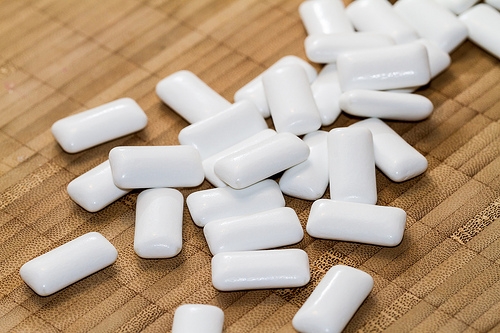
Xylitol is a naturally occurring sweetener found in tree bark, plants, fruits, and vegetables. The human body also produces it in small amounts. It looks and tastes like sugar, so as part of a health regimen, most people require no willpower to use it.

Xylitol is safe (approved by the World Health Organization) because only a small amount is needed for health benefits. With a glycemic index of seven, it is safe for diabetics. It has less than three calories per gram and 40% fewer calories than other carbohydrates. If eaten in extremely large amounts too quickly, it has a laxative effect in humans.

Tooth decay happens when bacteria in your mouth consume the sugars you eat. When you eat food that contains ordinary sugar, it gives energy to the bacteria on your teeth, allowing them to multiply and start making acids that destroy the enamel on the teeth.

Since xylitol is a natural sweetener derived from the fibrous parts of plants, it does not break down like sugar, so it helps maintain a neutral pH level in the mouth. Xylitol also prevents bacteria from sticking to the teeth because they are unable to digest it. That is how it protects the teeth from cavities.

With xylitol, the acid attack is diminished. With less bacteria and acid, your teeth stay healthier. The frequency of xylitol ingestion is important: aim for five grams a day, or one gram every three hours.

Studies of xylitol use as either a sugar substitute or a small dietary addition have demonstrated a dramatic reduction in new cavities. It has also stopped and even reversed some existing cavities. This effect is long lasting and possibly permanent. Low cavity rates persist even years after the trials have been completed.

Xylitol needs to be one of the first ingredients in a product to be effective. It is convenient and easy to use. You can find it in health food stores and specialty grocery stores. Xylitol can be delivered to your teeth in chewing gum, tablets, or even candy and mints.

It also comes in toothpaste, mouth rinse, baby oral wipes, gel and pacifiers, nasal wash, dry mouth spray, a granulated form for cooking, granulated packets to add to drinks, and commercially prepared foods. It can replace sugar on a one-to-one ratio.

Sweet rewards in xylitol are good for the body and the teeth! If you have specific questions please feel free to contact Just 4 Kids Pediatric Dentistry. We look forward to seeing you soon!


Top Five Things to Keep Your Dentist Smiling

October 14th, 2020

Come say hello twice a year. The Canadian Dental Association says two times is the charm. Multiple visits a year lets us keep an eye out for any developing issues. It’s important to remember that this goes for the whole family. Children over one year old should be seeing Dr. Wendy Tang and Dr. Amy Bellamy!

Stay fresh. At Just 4 Kids Pediatric Dentistry, we have a virtually unlimited stock of toothbrushes and floss, which means you have no excuse to be using a sad, ineffective toothbrush. As soon as bristles begin to fray, pick up a new one or stop by our Surrey, BC office and we’ll replace yours. On average, you should be opening a new one every two to three months.

For goodness sake, floss! Flossing is an efficient way to keep your whole mouth healthy. It not only protects your teeth by removing aggregated plaque, it keeps your gums happy, too.

And brush. Practicing regular healthy habits is essential to keeping your mouth—and us—happy! When it comes to brushing that means two minutes, two times a day. If your kids need some encouragement, try making a calendar or playing a song like this.

Tell a friend. One way you can help us is by spreading the love. Tell your friends about what a good thing we’ve got going here. The more the merrier. And the healthier.

Five Tips for Taking Tots to the Dentist

September 30th, 2020

Toddlers are notoriously balky about strangers. But their first dental visit should not be cause for fear and tears. Nor should you assume that getting your toddler to Just 4 Kids Pediatric Dentistry is going to involve a full-blown tantrum or Mafia-style bribery. “Honey, don’t worry. We’ll go get ice cream after…” sort of defeats the purpose of making that first dental appointment.

These five tips will make your toddler’s trip to see Dr. Wendy Tang and Dr. Amy Bellamy as fun as a stop at an amusement park.

1. Before you make a dental appointment for your child, take him or her on a ride-along to one of your dental appointments. Let your son or daughter experience the office and get the lay of the land. Toddlers don’t like surprises. But if your little one is already familiar with the big chair that goes up and down, the next time he or she will have no problem taking a seat.

2. About the big dental chair … well, it’s really an amusement park ride. See how it goes up and down? Toddlers love games, and turning the trip to the dentist into a game is among the oldest (and most successful) tricks in the parent playbook.

3. Positive reinforcement is a good thing. That's why Dr. Wendy Tang and Dr. Amy Bellamy and our staff hand out cool toothbrushes or stickers to children after their appointment. A fun-colored toothbrush with a suction bottom is a good incentive to come back for another cleaning.

4. Timing is everything. Don’t take your child to the dentist an hour before the daily nap. Make the appointment with your child’s schedule in mind. This increases the chances of success.

5. A few days before the scheduled appointment, start reading your toddler bedtimes stories about what happens at the dentist. Dora the Explorer’s Show Me Your Smile, written by Christine Ricci, is a popular dental story that your child might relate to.

Thumb Sucking, Pacifiers, and Your Baby's Teeth

September 23rd, 2020

Sucking is a common instinct for babies and the use of a pacifier or their thumb offers a sense of safety and security, as well a way to relax.

According to the Canadian Academy of Pediatric Dentistry, the majority of children will stop using a pacifier and stop sucking their thumb on their own between the ages of two and four years of age. Prolonged thumb sucking or use of a pacifier can have dental consequences and needs be taken care of sooner, rather than later.

Many dentists favor pacifier use over thumb sucking because it makes it easier for parents to control and even limit the use of a pacifier. If thumb sucking lingers, the same strategies used to break the baby from using the pacifier can be used for thumb sucking.

Precautions

  • Try to find "orthodontically correct" pacifiers, as they may reduce the risk of dental problems.
  • Never dip a pacifier in sugar or honey to calm the baby.
  • Give your baby a bottle of water at bedtime, never juice.

Dental Complications

Long term pacifier use can lead to an assortment of dental complications including:

  • The bottom teeth leaning inward
  • The top teeth slanting outward
  • Misalignment of the baby’s jaw

The risk of any or all of these things happening is greatly increased if thumb sucking and pacifier use is sustained after the baby’s teeth start to come in.

Breaking the Thumb Sucking and Pacifier Habit

Most toddlers and children will stop sucking their thumb or using a pacifier between the ages of two and four on their own. However, if intervention is necessary here are a few tips to help your child break the habit:

  • Slowly decreasing the use of a pacifier can be effective for many children. This method does not work very well with thumb sucking.
  • Thumb sucking can be more difficult to break. Dr. Wendy Tang and Dr. Amy Bellamy may recommend using an over the counter cream that you put on the child’s thumb; it doesn’t taste good and usually does the trick.
  • Rewards can also help with the process.
  • If these simple commonly used strategies do not work, there are oral devices that will prevent a child from sucking their thumb or a pacifier.

Talk to Dr. Wendy Tang and Dr. Amy Bellamy and our team, as we have many tricks up our sleeves that will be effective in breaking your child’s thumb sucking or pacifier use.

Mon 8:00am to 4:00pm Tue 8:00am to 4:00pm Wed 8:00am to 4:00pm Thu 7:30am to 5:00pm Fri 8:00am to 4:00pm