Our Blog

Make Every Day Earth Day

April 21st, 2021

Earth Day began in 1970 as an event to raise awareness of our environment. What began as a single day in April is now recognized around the world to bring attention and education to global environmental issues. Conserving our natural resources, reducing water and air pollution, and developing green technologies are all ways in which we can improve the environment around us.

Reduce, Recycle, and Reuse

One of the easiest ways to participate in Earth Day is by simply reducing the amount of refuse that ends up in landfills. Many communities have recycling programs for paper, plastic, and metal refuse. By keeping recyclable items out of landfills, we reduce the need for new disposal space and the amount of energy needed for burning refuse. Recycling products also helps conserve the resources that are used in making new products.

You can save money by reducing your consumption of many everyday products. Single disposable water bottles can be recycled but they are costly. By using filtered faucet water, you can conserve your financial resources. Disposable paper towels can also be wasteful. Consider reusable cleaning rags for the majority of your chores.

Reusing items saves both the environment and your finances. A large number of products can be re-purposed to create a new item. Old furniture can be remade into a new piece. Old clothing can be used for craft items. If you are not able to find ways to reuse your old items, donate them to a charity. Remember to continue your positive environmental steps on a daily basis.

Other things you can do to improve the environment

Everyone, young or old, can find ways to participate in improving the environment. Some ideas include:

  • Planting trees
  • Picking up litter
  • Reducing energy consumption
  • Walking, bicycling, or carpooling to work or school
  • Disposing of hazardous waste properly
  • Using rain barrels to conserve water for plants

Earth Day is designed to appreciate and celebrate the health of the earth. Keeping the earth healthy is important, but keeping your mouth healthy is important, too. Healthy teeth and gums contribute to your overall health and well-being, so remember to call our team at Just 4 Kids Pediatric Dentistry to schedule an appointment. Have a happy and healthy Earth Day, from Dr. Wendy Tang and Dr. Amy Bellamy!


Ways to Make Brushing Fun for Your Child

April 14th, 2021

According to the Canadian Academy of Pediatric Dentistry, your child should visit a dentist, like Dr. Wendy Tang and Dr. Amy Bellamy, when his or her first tooth pops through the gum, or by time they are one year old.

Children do not always want to brush their teeth. In fact, the average child has three cavities by the time they reach their third birthday. However, if you make brushing fun for them, they will look forward to it, and develop a lifelong habit of good oral hygiene.

How to Make Brushing Fun

  • Let them pick out their own toothbrush, like one with their favorite cartoon character.
  • Allow your child to choose their own special toothpaste, as long as it adheres to CAPD guidelines for safety.
  • Brush to a fun song that is two to three minutes long. When the music stops they are done brushing.
  • Brush your teeth with them. Make it a family affair!
  • Toddlers may be afraid of having their teeth brushed or brushing them by themselves. Allow them watch as you brush your teeth; this will help them to see that brushing their own teeth will not hurt them.
  • Reward systems are great incentives for children, just don’t overdo it. You’re trying to instill good brushing habits, not simply reward them for something they need to do.
  • Try an app on your phone; you’ll be surprised how many there are and how much fun your child will have using them.
  • It’s important to make sure every tooth gets brushed, so as you child brushes their teeth, count them. Then when they are finished ask them how many teeth they have. You can switch it up a little by giving each tooth a silly name or make up a short rhyme about each tooth as your child brushes.
  • Use educational tools, such as the movie “The Adventures of Timmy the Tooth.”
  • Read books to your child about brushing their teeth and good oral hygiene.

All you need is a little imagination to help your child learn to love brushing their teeth!

Periodontal Disease in Adolescents

April 7th, 2021

Dr. Wendy Tang and Dr. Amy Bellamy and our team at Just 4 Kids Pediatric Dentistry know that periodontal disease isn't something exclusive to adults. It can affect adolescents as well. Gingivitis, which is a milder form of periodontitis, is a form of periodontal disease, and a warning that more serious problems may arise. Untreated gingivitis can develop into full-blown periodontitis.

The Canadian Academy of Periodontology (CAP) explains that research proves that younger people may develop more severe forms of gingivitis. Gingivitis is linked to periodontal disease. Children and adolescents who have type 1 diabetes or immune deficiencies are more likely to suffer from periodontal disease.

There are three types of periodontal diseases Dr. Wendy Tang and Dr. Amy Bellamy and our team see in children and adolescents.

Chronic gingivitis

Parents may suspect that their adolescent has chronic gingivitis if he or she shows or complains of symptoms such as redness, swelling, or bleeding gums. Early treatment may prevent gingivitis from developing into a more severe form of periodontal disease.

Aggressive and/or chronic periodontitis

Once called adult periodontitis, the term chronic replaces “adult” because periodontitis can occur in people in their early teenage years, and progress throughout their teens. Chronic and aggressive periodontitis primarily affects incisors and first molars. One of its distinguishing characteristics is bone loss. Curiously, patients who suffer from this form of the disease have minimal dental plaque on examination.

Generalized aggressive and chronic periodontal disease

This form of periodontal disease has many of the same characteristics of the chronic and aggressive form, but this more severe type of the disease affects the entire mouth. Symptoms include major plaque and calculus accumulation, and inflamed gums.

In both forms of more severe periodontal disease, the overall gum structure may change. The severity of these changes may alter gum strength enough to loosen teeth, or even worse, cause them to fall out.

The success of any treatment is largely contingent on early diagnosis. Dr. Wendy Tang and Dr. Amy Bellamy should conduct a thorough periodontal exam as part of an adolescent’s twice-yearly complete dental examinations.

The mouth is full of bacteria. Some of it is necessary for food digestion. Diseases are more likely to develop if bacteria travel to open places in the mouth, such as exposed gum pockets or cavities. Proper dental hygiene is essential for a healthy mouth, and a healthy mouth offers greater protection against painful dental diseases.

Be sure every member of your family has a complete dental exam and cleaning twice a year, and contact Dr. Wendy Tang and Dr. Amy Bellamy when you or your young kids or adolescents complain of pain, sensitivity, or other oral problems. Early detection at our Surrey, BC office leads to treatment of oral problems and prevents them from turning into serious periodontal disease and potentially irreversible problems.

Toothpaste Guide

March 31st, 2021

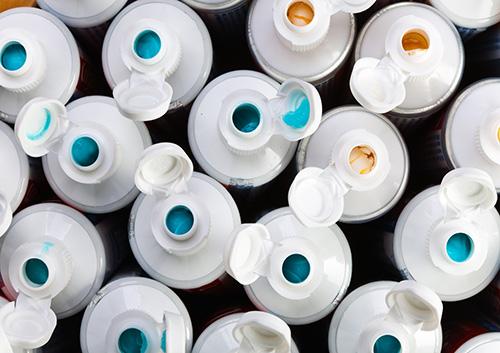
Between the huge number of toothpaste brands on the market today, the different flavors, and claims from most to do different things, it isn’t surprising that people feel so confused when it comes to something that should be as simple as buying a tube of toothpaste. This guide will help you identify the common ingredients in toothpaste, and help you understand the important factors to consider before buying toothpaste again.

Toothpaste comes in gel, paste, and powdered forms. When it comes to the type of toothpaste, the choice is more a matter of preference.

Basic Ingredients

  • Abrasive Agents – Abrasive agents are the scratchy substances added to toothpastes to help in the removal of food particles, bacteria, and minor stains. Calcium carbonate is one of many abrasive materials, and arguably the most common.
  • Flavor – When toothpastes are flavored, they almost always have artificial sweeteners to enhance the flavor of the toothpaste and increase the likelihood that you’ll use it. Flavors run the gamut from traditional mint to cinnamon that may appeal to adults, and bubble gum or lemon lime – flavors to target children.
  • Humectants – Humectants are moisturizing agents that keep paste and gel toothpastes from drying out. Glycerol is commonly used as a humectant.
  • Thickeners – Thickeners are used to give toothpaste its distinctive consistency, and to make it maintain a uniform consistency and come out of the tube easily.
  • Detergents – Sodium lauryl sulfate is the most common detergent used in products that foam up, like toothpaste does in your mouth.

What to Look For in Toothpaste

Fluoride is naturally occurring mineral. It is the most important ingredient to look for in a toothpaste. Although there are people who argue against using fluoride toothpaste, dental professionals like Dr. Wendy Tang and Dr. Amy Bellamy emphasize that the fact that the incidence of tooth decay has decreased so significantly in the past 50 years is because of fluoridated toothpaste.

The suggestion that fluoridated water gives you enough fluoride to protect your teeth is wrong. Fluoride toothpaste is the best cavity protection there is. In addition to strengthening tooth enamel and protecting teeth from acid erosion (from acidic foods and drinks,) it remineralizes the surfaces of teeth that are suffering from early acid damage and may prevent developing tooth decay from worsening.

Tartar Control

Tartar is the result of hardened plaque buildup on the teeth. Good oral hygiene and in between twice yearly cleanings from a dental hygienist are the best defense against plaque buildup. Plaque turns to tartar when people neglect their oral hygiene. Over time, tartar can build up on teeth and under the gums, increasing the risk of gum disease.

Your best bet is to use a toothpaste that has a combination of anti-plaque agents. Products containing more than one plaque reducer may be more effective than products that only one. Common ingredients to look for are zinc citrate or pyrophosphates. Triclosan is an antibiotic that is believed to kill bacteria in the mouth, and it can be found in some anti-plaque toothpaste.

Look for toothpaste that bears the seal of the Canadian Dental Association. That seal is an endorsement of the CDA – and it means that many dentists agree that that particular toothpaste does what toothpaste is designed to do. We can also recommend toothpaste to meet your specific oral health concerns at your next visit to our Surrey, BC office.

Mon 8:00am to 4:00pm Tue 8:00am to 4:00pm Wed 8:00am to 4:00pm Thu 7:30am to 5:00pm Fri 8:00am to 4:00pm