Our Blog

When should I begin brushing my baby's teeth?

June 16th, 2021
One question our team at Just 4 Kids Pediatric Dentistry hear all the time is, “When should I start brushing my baby’s teeth?”

You should begin regular cleanings even before your baby has teeth. After each breast feeding (or bottle-feeding) use a clean, damp washcloth to gently rub your baby’s gum tissue. You may wrap the material around one finger to make it easier to remove any food bits from your baby’s mouth.

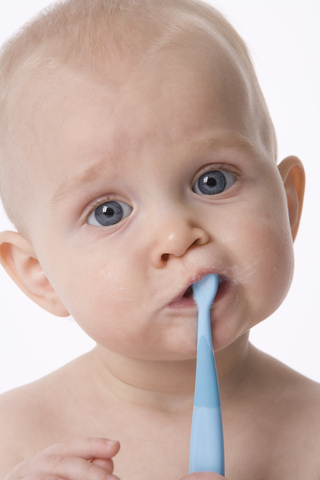
When your baby’s first tooth comes in, switch to a baby toothbrush. Look for special baby toothbrushes in your drugstore; they have just a few bristles and are very soft. There are even brushes shaped like finger puppets that fit over the tip of your pointer finger! All you need at this point is water (no toothpaste yet).

After a few more teeth appear, you may start using toothpaste, but you only need a tiny bit, and make sure it doesn’t contain fluoride for the first two years. From the beginning, have your little one practice spitting the toothpaste out after brushing. That way, he or she will already have the good habit of spitting when you switch to fluoride toothpaste, which should never be swallowed.

If you have any questions about caring for your baby’s teeth, or to schedule an appointment at our convenient Surrey, BC office, please contact Just 4 Kids Pediatric Dentistry.


How often does my child need to see the dentist?

June 9th, 2021

According to the Canadian Academy of Pediatric Dentistry, checkups at Just 4 Kids Pediatric Dentistry are recommended for all children two times a year. Children should be evaluated for cavities and other emerging dental issues every six months, because these problems can lead to more serious dental problems and health issues if left untreated.

While it is always good to follow the official guideline mentioned above, it is also important to understand that each child is unique and his or her dental needs are equally unique. If your child shows signs of dental or orthodontic problems, Dr. Wendy Tang and Dr. Amy Bellamy might recommend more frequent visits.

One way to help your son or daughter maintain good oral health between pediatric dental visits is to monitor brushing and oral care habits, especially if the child is still very young. Children who are two to five years of age will usually still require at least some degree of monitoring during their dental care routine.

The Checkup Visit

During your child’s regular dental care checkups, Dr. Wendy Tang and Dr. Amy Bellamy will evaluate the current state of oral health and will be able to recognize any issues. The twice-yearly checkup visits are typically the time at which problems like cavities, irregular growth patterns of the teeth, and oral decay are discovered. Thus, making these appointments for your child, and following through with them, is extremely important.

Learning and Maintaining Good Oral Health

Dr. Wendy Tang and Dr. Amy Bellamy and our Surrey, BC staff are your partners in terms of your child’s health care. Even when your child is an infant and a toddler, good brushing and other oral care habits can be taught. We will help you to educate your child about how to care for teeth in the most effective way, and you can carry those lessons home and help your child to follow them for the ultimate in oral health.

Tips to Help You Beat the Heat This Summer

June 2nd, 2021

The dog days of summer are upon us, and with the temperatures soaring, our team at Just 4 Kids Pediatric Dentistry wants you to be extra careful about sun safety when you’re out and about. Check out this incredibly helpful article on the Ten Summer Safety Tips for Kids, courtesy of Discovery.

Dr. Wendy Tang and Dr. Amy Bellamy and our team also encourage you to always have a bottle of water handy when heading out into the sun.

We hope you’re having a great summer! Let us know what you're up to below or on our Facebook page!

Five Fun Snacks for Healthy Teeth

May 26th, 2021

Snacks can taste good and give your child’s energy a boost, but they can also be bad for teeth. Sugary, sticky snacks, such as candy, cookies, and snack cakes can lead to tooth decay if eaten regularly between meals. Still, there are plenty of fun snacks for healthy teeth.

The trick when selecting snacks is to avoid too many added sugars and refined carbohydrates that stay on the teeth and give bacteria a chance to ferment and produce acid from them, which can lead to tooth decay. In addition, snacks should provide nutrients to support a healthy mouth. These are five fun snacks you can feel good about giving to your child.

1. Yogurt and cereal.

Yogurt contains calcium, which is an essential mineral for strong and healthy teeth. Select plain yogurt or yogurt flavored with real fruit, rather than flavored yogurt that is sweetened with added sugar. We recommend choosing a whole-grain cereal, which is less likely to lead to dental caries. Choose a low-sugar or unsweetened cereal to avoid accidentally making the snack as sugary as a candy bar.

2. Tuna and whole-wheat crackers.

Canned tuna contains vitamin D, which is an essential vitamin for helping your body absorb and use calcium. Whole-wheat crackers are natural sources of antioxidants for a strong immune system, and they’re lower in refined carbohydrates than white crackers.

3. Bell pepper strips and hummus.

Red, yellow, and green bell peppers are excellent sources of vitamin C, which is an antioxidant. Vitamin C is also a good choice for supporting regeneration or maintenance of healthy gum tissue. Vitamin E is another antioxidant, and it also supports a healthy immune system. A strong immune system is protective against infections, such as bacterial infections associated with gum disease.

4. Turkey and cheese roll-ups.

Turkey is carbohydrate-free, so it doesn’t leave residues of sugars on teeth for bacteria to ferment. Lean ham is another good choice. Low-fat cheddar, mozzarella, or Swiss cheese is a good source of calcium as well as protein. For a more substantial snack that’s still low in carbohydrates and sugar, add a few celery sticks.

5. Peanut butter and carrots.

Peanut butter is another source of vitamin E. Carrots provide vitamin A, which is essential for a strong immune system. You can also substitute cauliflower or broccoli florets for the carrots, and ranch dressing for the peanut butter, and still have a snack that’s fun to eat and good for your child’s teeth.

For more great snack tips, ask a member of our Surrey, BC team at your child’s next appointment!

Mon 8:00am to 4:00pm Tue 8:00am to 4:00pm Wed 8:00am to 4:00pm Thu 7:30am to 5:00pm Fri 8:00am to 4:00pm