July 8th, 2014

Dr. Tang and our team at Just 4 Kids Pediatric Dentistry specialize in pediatric dentistry, and we understand that children can be frightened of things they do not understand. This anxiety is often heightened by an unpleasant dental experience or stories they hear from classmates. We have many methods at our Surrey, BC office to make your child’s dental visit pleasant and anxiety-free.
Listening
The first thing Dr. Tang and our team do is talk to your child, listen to any concerns he or she may have, and take the time to explain the dental work that will be done. Often children will lose their fears by simply understanding what is happening and why. In addition, you are welcome to be in the room with your child during exams and treatments. When a child is able to see that the parent is relaxed, this is more conducive to the child’s relaxation.
Relaxation
When you arrive at Just 4 Kids Pediatric Dentistry, let your child to play with the toys we provide. This starts the visit in a positive manner. Taking your child’s mind off the exam is useful. While your child is undergoing an examination or procedure, listening to music or watching a video can support a sense of relaxation. When children understand that we care, their anxiety levels are reduced.
Sedation
Nitrous oxide is a sedation technique commonly used to reduce anxiety and alleviate any pain. It is beneficial partly because the effects wear off quickly. Topical pain relievers can also be useful for children with sensitive teeth, and this will eliminate discomfort.
Deeper sedation is useful for complex dental issues, extreme anxiety, or a fear of needles. A liquid or tablet sedative can be given before your child’s appointment. This type of sedation is also helpful for children with a fear of the masks used for nitrous oxide.
We welcome you and your child to discuss any concerns that you have regarding his or her dental appointment. We want your child to be free from anxiety about visiting Dr. Tang. The earlier your child’s fears are addressed, the less likely the fear will carry into adulthood.
July 1st, 2014

It's a moment many of our patients have experienced. One second you're chewing on a piece of gum, then suddenly you forget to keep chewing and swallow the entire rubbery gob whole! It's at this point you remember your mother warning you as a child that if you swallow gum it will stake a claim and take up residency in your belly for seven years. Dr. Tang and our team at Just 4 Kids Pediatric Dentistry hate to take all the fun out of the mystery, but the truth is that chewing gum, when swallowed, will enter your stomach and move through your digestive system just like any other piece of food. So, if you ever accidentally swallow a piece of gum, there is no need to worry!
That being said, it's important to know that gum does not have any dietary benefits, so while it’s not exactly harmful to swallow, you still want to avoid swallowing it. If you are an avid gum-chewer, we encourage you to chew sugarless gum, especially if you are wearing braces, because gum with sugar can lead to cavities. Sugarless gum still has the same amount of flavor, but has fewer cavity-causing ingredients. In fact, many brands contain an additive called xylitol, a natural sweetener known to fight cavity-causing bacteria. Xylitol is also known to increase salivary flow as it rinses away plaque and acid.
The fact is, when the bacterium in your mouth breaks down sugar, what’s left behind is acid. This acid eats away at the enamel coating of your teeth, causing holes that we call cavities. Cavities can lead to other long-term mouth problems if they are not treated in time, so it is best to try and avoid overexposing your teeth to too many harmful substances!
If you have any questions about chewing gum, please contact our office. Happy (sugar-free) gum chewing!
June 24th, 2014

What better way for children to spend their time than cuddled up by the fireplace or out in the yard with a book in hand? Dr. Tang and our team encourage you to inspire your child’s mind with a few great books. Sure it may be easy to put off reading when balancing a busy schedule, but reading is vital to kids’ brain development. Plus, reading is always fun!
This week, we thought we’d ask: What are you or your child reading? Do you have any suggestions for must-read books? Out of ideas for great reads? Ask us during your next visit, and Dr. Tang and our team would be happy to provide a few suggestions. You may also ask a local librarian here in Surrey, BC for some ideas.
Happy reading! Be sure to share your book picks or your all-time favorites with us below or on our Facebook page!
June 17th, 2014
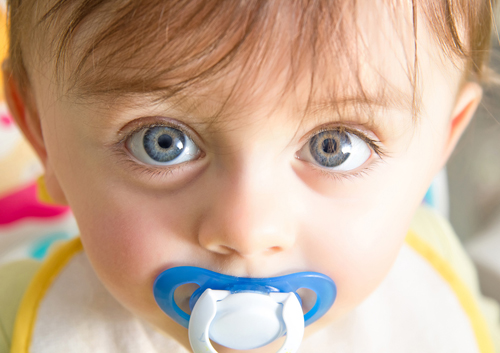
Children are born with a natural sucking reflex. In fact, sonogram images from the womb often reveal an unborn baby practicing by sucking on his or her fingers or thumb. Not only does sucking aid in your baby’s ability to acquire food and nutrients, but it is also a security and possible analgesic outside of meal times.
Though it is both normal and beneficial for parents to soothe their children with pacifiers during infancy, long-term use could interfere with oral health and development. Most children will stop using a pacifier on their own. However, the Canadian Academy of Pediatric Dentistry recommends halting pacifier use after age three. Prolonged thumb sucking or pacifier use after this time can cause the upper front teeth to begin to lean outward. It can also cause new teeth to erupt crookedly, and it can negatively affect jaw alignment.
If your child is not showing signs of self-weaning by age two, you may begin the process by limiting pacifier usage to specific times, such as nap time or when getting vaccinations. Offer an alternative security item, such as a blanket, and be sure to praise your child when he or she chooses the blanket over the pacifier.
Tips
- Never under any circumstances should you dip your baby’s pacifier in something sweet. Though it is a tempting way of encouraging your child to take a pacifier when crying, it can also lead to early childhood tooth decay.
- If your child has not discontinued pacifier use by age three, talk with Dr. Tang about behavioral modifications or appliances that can help your child wean.
- Never use negative reinforcement to discourage pacifier use. Punishment for pacifier use is not effective for changing your child’s habits.
If you have any questions or concerns about your child’s pacifier usage or which types of pacifiers are best for your child’s oral health, please give our team at Just 4 Kids Pediatric Dentistry a call at our convenient Surrey, BC office!