
Our Blog

Preventing Tooth Decay in Children

August 5th, 2014

Childhood tooth decay is the most common chronic childhood disease, affecting nearly one in three children between the ages of two and five. In fact, the Canadian Academy of Pediatric Dentistry reports that tooth decay can appear in children as young as six months old. As a parent, it is possible to spare your child from early childhood tooth decay, and potentially prevent a lifetime of oral health problems in one fell swoop.

Birth to age two

Good oral health begins before your child’s teeth ever erupt from the gums. During the first few months of life, you should be wiping your child’s gums with a damp cloth after eating. As soon as teeth appear, Dr. Tang and our team at Just 4 Kids Pediatric Dentistry recommend you start brushing them with a toddler toothbrush and water, and call our Surrey, BC office to schedule your child’s first visit. Never allow your child to go to bed with a bottle, and try to limit beverages other than water only to meal times. Children who walk around or go to sleep with bottles or sippy cups full of juice or milk are exposed to more sugars and are more likely to develop tooth decay.

Ages two to six

All of your child’s primary teeth should erupt by age three. Brush your toddler’s teeth at least twice daily with a toddler toothpaste and toothbrush. As your child gets older and learns not to swallow toothpaste, you may begin to use oral care products specially designed for preschoolers and elementary-age children. Be sure to maintain regular dental appointments and cleanings as recommended by your child’s dentist, and encourage your son or daughter to begin drinking from a regular cup. This is also the time to teach your child the importance of healthy eating habits, which includes limiting sweets and sugary desserts to mealtime.

By first grade, your child will begin to lose primary teeth. This is the time to start talking with Dr. Tang about dental sealants, which can prevent tooth decay from forming on the chewing surfaces of the teeth. Sealants are painless, easy to apply, and undetectable to other people.

Tips

Fluoride is an important ingredient for healthy teeth. Check to make sure the water your child drinks is enriched with fluoride. Also, brush your child’s teeth with fluoridated toothpaste, and talk to our office about whether fluoride treatments could be right for your family. For more information about preventing your child’s tooth decay, or to schedule an appointment with Dr. Tang, please give us a call at our convenient Surrey, BC office!

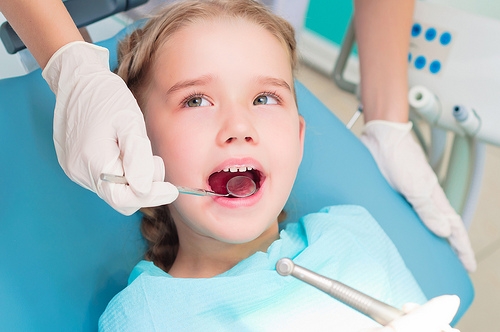
Who’s afraid of the dentist?

July 29th, 2014

Is the sound of a drill enough to make your child flinch or cringe? Does he or she worry about the twice-yearly dental checkup at Just 4 Kids Pediatric Dentistry? Trust us when we say your child is not alone!

To help eliminate that distress, Dr. Tang and our team put together five steps to help your child overcome his or her dental anxiety when visiting Just 4 Kids Pediatric Dentistry.

1. Ask your child what they’re most afraid of. Is it the sound of the drill? Do you have needle phobia? Has your child been traumatized by previous dental visits? Have children write down their fears, one by one, and talk about them.

2. Don’t wait. The more frequently your child visits our office, the less work will need to be done at any given visit. Simply having Dr. Tang professionally clean your child’s teeth twice a year prevents many, if not most, problems down the road.

3. Bring a distraction such as music to your child’s appointment. Just plug in those earphones, have your child close his or her eyes, and get lost in the music. Listening to tunes can also be a pain killer.

4. Remind your child to unwind. Inhaling slowly and counting to five helps. Encourage children to hold their breath for ten seconds, then exhale slowly to the count of eight, and repeat as needed. It’s easier if they’re not focused on the work going on inside their mouth.

5. Ask us. Before any procedure your child undergoes, we encourage you to ask Dr. Tang or one of our assistants why we’re using the tools we’re using. Ask us what we’re doing during your child’s procedure, what the tool is used for, and how it benefits your child. Also, please ask about anti-anxiety medications we may prescribe to help your child relax during his or her appointment.

Remember, our team at Just 4 Kids Pediatric Dentistry are health care professionals who strive to improve your child’s oral health, and will do all we can to ensure a trauma- and pain-free experience during his or her visit!

We hope these tips help! For more on pediatric dental anxieties, ask us during your next visit to our Surrey, BC office! Or, ask us below or on Facebook!

Treatment and Diagnosis for Your Child’s Teeth Grinding

July 22nd, 2014

The habit of grinding teeth can be both painful and harmful for your children. If you discover that they are frequently grinding their teeth—a condition called bruxism—here is some helpful information on the problem, and how you can find help to put a halt to it.

How to Know if Your Child is Grinding

Sometimes, identifying a child that grinds teeth is as simple as checking in while he or she is asleep. At other times, you may not be able to readily identify the grinding problem. A few of the most common symptoms associated with bruxism include:

  • Frequent teeth grinding or clenching of the jaw (in some cases it may be more subtle; in others it may be loud enough that you can hear it)
  • Teeth that are worn down
  • Complaints of sensitive teeth
  • Pain or tightness in the jaw muscles, or an earache or other jaw pain
  • Frequent unexplained headaches

In most cases, if your children are grinding their teeth, they will do it at night. If the teeth grinding is a result of excessive amounts of stress, it may also happen during the daytime. Some of the most common reasons children grind their teeth involve:

  • Improper alignment of top and bottom teeth
  • As a response to pain, especially for tooth, jaw, or gum pain
  • Excessive stress, tension, or anger

Treatment Options for Bruxism

In many cases, children will grow out of the teeth grinding as their permanent teeth develop, replacing poorly aligned or painful baby teeth. If your child grinds his or her teeth more frequently, or you begin to notice significant damage, it may be more serious and need to be addressed by Dr. Tang before it causes more permanent pain or problems.

In some cases, our team at Just 4 Kids Pediatric Dentistry may recommend that your child wears a protective mouthguard to prevent grinding, or work with a therapist or other specialist to develop awareness of the grinding. If the grinding is caused by stress or anxiety, it may be helpful for you to sit down and talk to your child each day about how she is feeling, and why, to help her work through the stress.

Teeth grinding can be a painful, problematic condition for some children. However, a combination of parental vigilance and frequent visits for regular checkups at our Surrey, BC office can help. If you are concerned that your child may be grinding his or her teeth, and it could cause permanent damage before the child grows out of it, come talk to us about strategies for dealing with bruxism, and ways for you to help your child.

Do we have your current contact info?

July 15th, 2014

As you probably know, you can always connect with Dr. Tang and our team by calling our Surrey, BC office, or going to our Facebook page. However, if you’ve recently moved or gotten a new phone number, we’ll need to update our records so we can easily connect with you!

If any of your contact information has changed, please let our team at Just 4 Kids Pediatric Dentistry know, just in case we need to reach you. While you’re at it, you can also schedule your next appointment! We look forward to hearing from you!

Mon 8:00am to 4:00pm Tue 8:00am to 4:00pm Wed 8:00am to 4:00pm Thu 7:30am to 5:00pm Fri 8:00am to 4:00pm