Our Blog

Tooth Worms? The History of Cavities and Tooth Fillings

November 16th, 2016

Scientists have discovered tooth decay in specimens that are more than 15,000 years old. The ancients once thought that cavities were caused by something called “tooth worms” … Eew! They didn’t exist, of course, but how else could humans explain the holes that cavities make in teeth?

The appearance of cavities on a widespread basis is often traced to the rise of farming. The new diet filled with grains and carbs made our mouths a haven for cavity-causing bacteria. As we added more sugar to our diets, our teeth got worse.

The “tooth worm” idea didn’t completely disappear until the 1700s when scientists finally began to understand the process of dental caries. Once that part of the puzzle was solved, they began focusing on filling existing cavities and preventing new ones.

Dental Fillings Come of Age

Many different materials, including beeswax, cork, aluminum, tin, and even asbestos, have been used to fill the holes caused by dental decay. Sometime in the mid-1800s, however, dentists began to use metal fillings such as gold, platinum, silver and lead amalgams.

The amalgam we use today is mixed from liquid mercury, silver, tin, copper, zinc, and other metals, but some patients still like the look of a gold filling. Newer options include composite-resin fillings, which are made from a tooth-colored mixture of plastic resin and finely ground glass-like or quartz particles that form a durable and discreet filling. Porcelain or ceramic fillings are natural in color, but more resistant to staining.

Dr. Wendy Tang and Dr. Amy Bellamy can help decide which filling is best for you, based on cost as well as your dental and lifestyle needs. You may not have “tooth worms,” but if you have cavities, contact our Surrey, BC office so we can take the proper action to protect the health of your mouth.

How to Properly Store Your Toothbrush

November 9th, 2016

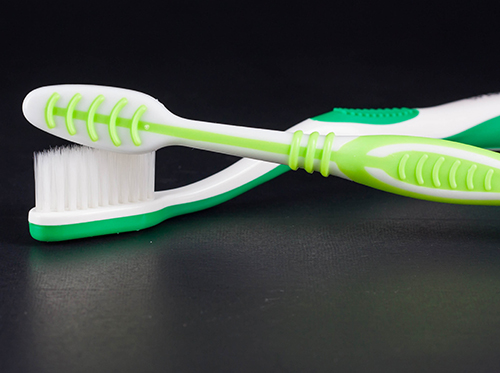
Have you ever thought about how you're cleaning and storing your toothbrush when you're not using it? Did you know that the way you store your toothbrush could have an affect on your oral health? In this post, we'll look at some steps you can take to maximize toothbrush cleanliness and minimize bacteria.

Below are some tips from Dr. Wendy Tang and Dr. Amy Bellamy for toothbrush use and storage:

  • Don't share your toothbrush – This may seem obvious, but sharing a toothbrush exposes both users to bacteria and microorganisms from the other user, which can increase chances of infection. You should also avoid storing your toothbrush in the same container as other people’s toothbrushes.
  • Thoroughly rinse your toothbrush after each use – Rinsing your toothbrush well under running water will help remove food particles, toothpaste, and other debris from the bristles of your brush.
  • Store your toothbrush in an open-air container not a sealed one – Putting a wet toothbrush in a sealed container creates a favorable environment for microorganisms and bacteria.
  • Soak your toothbrush in an antibacterial mouthwash after use – There is some evidence to suggest that soaking your toothbrush in an antibacterial solution may reduce the amount of bacteria present on the toothbrush.
  • Change your toothbrush every three months – The bristles of your toothbrush become less effective and frayed after repeated use so it's a good idea to replace it on a regular basis. It's also wise to replace it after you've been sick.

There are many simple things you can do to make your oral-care regimen as clean as possible. Use common sense when storing your toothbrush—don't put it in a dirty place like the edge of your sink or in the shower (please, not by the toilet!), and keep it upright in a cool dry place—and you're usually good to go. If your toothbrush is looking a little worse for wear, drop by our Surrey, BC office and we'll be glad to provide you with a new one!

Snacks for Healthy Teeth while Watching the Big Game

November 2nd, 2016

It's almost game day and you're wondering what to put on the menu for your guests. Most snacks are typically highly processed and unhealthy. Why not mix it up this year and opt for some snacks that promote good oral health? Here are some of Dr. Wendy Tang and Dr. Amy Bellamy favorites!

  • Apples, carrots, celery, and cucumbers: These foods and other crispy, fibrous, fruits and vegetables are an excellent choice for the big game. Not only are they rich in vitamins and minerals which your body and mouth need, they are also known as detergent foods because of the cleaning effect they have on the teeth and gums. Try apples wedges spread with peanut butter and sprinkled with cinnamon.
  • Beans: Beans are filling because they are packed with fiber and that keeps you from opting for sugary or fatty snacks. Along with fruits and vegetables, beans should be one of the stars of your game-day snack lineup. How about some hearty chickpea hummus with cucumber chips?
  • Nuts like almonds, walnuts, pistachios, and cashews: Nuts abound in the minerals that help keep your teeth and gums strong like calcium, magnesium, and potassium. Put out a bowl of raw or roasted nuts for your guests as a crunchy, satisfying alternative to chips or crackers. Recent research even shows that the polyunsaturated fatty acids in nuts may help prevent gum disease. But remember not to eat the whole bowl! Nuts are very high in calories and a little goes a long way. Enjoy and handful or two along with your other healthy snacks.
  • Dark chocolate: This one may be hard to believe at first, but research shows chocolate can be great for your teeth and help prevent decay! Now don't run off and start stocking your pantry with a bunch of that super sweet stuff, because these benefits come mainly from the tannins, polyphenols, and flavonoids present in the cacao bean. Dark chocolate is the least processed variety of chocolate and the closest to the cacao bean, so make sure you purchase a variety that is listed as 70% cocoa or more for these benefits. Like with nuts, chocolate is easy to overdo — aim to eat two or three squares.

Halloween: Candy, costumes, and more!

October 26th, 2016

All Hallows' Eve, more commonly known as Halloween, is a yearly event celebrated on October 31, and one that is anticipated by the young and young at heart all over the world. Some scholars claim that Halloween originated from Celtic festivals that honored the dead or that celebrated the harvest, while others doubt that there's any connection at all to Samhain (a Gaelic harvest festival.) Regardless of its origin, our team at the pediatric dental office of Dr. Wendy Tang and Dr. Amy Bellamy hopes that Halloween is fun and enjoyed by all of our awesome patients!

Trick or Treat?

In North America, Halloween is predominantly celebrated by children who dress up in costumes, which range from scary to cute, who then go around the neighborhood knocking on doors asking "trick or treat", and they are given candy in return. Trick-or-treating is a time honored tradition, and though many parents groan at the pounds and pounds of candy collected by youngsters and fear for the health of their teeth, there are a few things you can do to help their teeth stay in great shape until the candy is gone:

  • Limit the amount of candy they can consume each day
  • Have them brush their teeth after eating candy
  • Avoid hard, chewy candies as they can stick in hard to brush places
  • Keep candy out of sight to reduce temptation
  • Don't buy candy too far in advance to limit pre-Halloween consumption
  • Help or encourage your children to floss

Halloween Fun

Halloween isn't just about gorging on candy; there are other events associated with this festive day including carving jack-o'-lanterns, painting pumpkins, decorating sugar cookies, bobbing for apples, going to haunted houses, or just curling up on the couch with a bowl full of popcorn and watching some classic, scary movies.

Halloween Around the World

Some countries, like Australia, frown upon Halloween, claiming it is a North American event and not based in Australian culture, while others like Italy have embraced the fun and celebrate much as Canadians and Americans do. Mexicans have been celebrating this fun day since around 1960, and it marks the beginning of the Day of the Dead festival. Some countries in Europe have come late to the party, but since the 1990s, countries like Sweden, Norway, and Germany have started celebrating Halloween as well, and finding children in costumes or having ghosts hanging in windows has become commonplace.

Halloween is about fun, stepping outside our normal lives, and donning a costume or gathering with friends to knock on doors and ask for candy. Have a safe and happy Halloween from the team at Just 4 Kids Pediatric Dentistry!

Mon 8:00am to 4:00pm Tue 8:00am to 4:00pm Wed 8:00am to 4:00pm Thu 7:30am to 5:00pm Fri 8:00am to 4:00pm