Our Blog

Summer Sports and Mouthguards

July 3rd, 2019
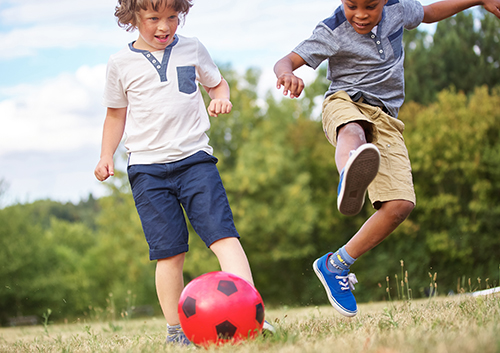
School’s out and you’ve emptied your gym locker until next fall. But while you’re stowing away the football gear, the basketball warm-ups, the field hockey sticks, and all the other equipment you’ve collected over the school year (that’s where that other shoe went!), be sure to keep one item handy: your mouthguard.

Team and contact sports like football, basketball, and wrestling aren’t the only potential dental dangers. In fact, almost any sport or activity can be made safer when you use your mouthguard.  While you’re keeping active and fit in the summer months, remember to look out for your smile.

  • Sports on wheels

Biking, skate boarding, rollerblading—it only takes one fall to make you realize that roads, sidewalks, and concrete are not ideal landing pads. If you do take a spill, using a mouthguard, along with your helmet, will help protect your teeth and jaw.

  • Court sports

Handball and tennis are not what we consider contact sports, but an unexpected bounce from a ball, or a completely unexpected backhand from your partner, can lead to dental injuries. Ace your workout and wear a mouthguard.

  • Water sports

A fall in the water can lead to a collision with your surfboard or water skis, and water polo often seems to be a game of stamina, accuracy and elbows. Wear your mouthguard on land and sea, and help reduce your chance of dental injury.

  • Team sports

Anyone who has played summer league baseball, softball or soccer knows that occasional contact with other players is pretty much a given. Cushioning your head, mouth, and teeth with a mouthguard will not only protect you, but keep you in the game—and your teammates will appreciate that!

If you already use a mouthguard, keep up the good work! If you don’t, talk to Dr. Wendy Tang and Dr. Amy Bellamy about the importance of protecting your smile with a mouthguard. There are ready-made options available at drug stores and sporting goods shops. These will provide protection to your mouth and teeth, but can sometimes be bulky and uncomfortable and should never be used with braces. If you would like a mouth protector that provides the best fit and comfort, or if you wear braces, we can customize a mouthguard in our Surrey, BC office that will be a perfect fit for your teeth and bite.

Whatever activity you choose, play it smart! Don’t gear up without your mouthguard, and you’ll greet next year’s classes energized, fit, and sporting a beautiful smile!


Preventing Toddler Tooth Decay

June 26th, 2019

You do everything you can to protect your toddler with safeguards large and small. Installing that complicated car seat. Figuring out which sunscreen is best for delicate skin. Spending weeks childproofing your home. But all the work protecting your child is more than worth it because the rewards are so great. And one more everyday precaution that brings great rewards is protecting your toddler from tooth decay.

  • Start Early

The time to start your baby’s dental care is even before that first tooth arrives. Carefully wiping the gums with a clean, damp cloth after feeding gets your child used to the idea of brushing and removes bacteria that might irritate the gums as the teeth begin to erupt. As soon as those teeth arrive, gentle brushing with soft bristles will keep bacteria and plaque from causing tooth decay and gingivitis. We can recommend toothpastes formulated especially for toddlers and suggest the best ways to brush.

  • Mind The Menu

We know that sugary foods aren’t healthy for your toddler’s teeth. Bacteria in the mouth feeds on sugar, and a sugar-heavy diet results in more of the bacteria and plaque which cause cavities. But sugar is not the only food that is not tooth-friendly. For example, foods like citrus fruits and juices can also be a problem. Acidic foods can actually weaken enamel after eating and leave teeth more vulnerable to cavity-causing bacteria and plaque. We have suggestions for tooth-healthy snacks and the best times to brush after eating if you and your child indulge in a treat.

  • Don’t Misuse Bottles & Sippy Cups

Your toddler might still use a bottle at night or a sippy cup throughout the day. Juices and even milk contain sugar that increases the risk of cavities, and if your child goes to sleep with a bottle or cup, these liquids pool in the mouth overnight allowing bacteria to flourish.  If your toddler wants a drink at night or between meals, water is a much better option.

Those tiny teeth are important for so many reasons. They enable children to bite and chew efficiently, to pronounce sounds properly for speech development, and to save space for adult teeth so they erupt in the right place. Dr. Wendy Tang and Dr. Amy Bellamy and our team recommend that your child visit our Surrey, BC office after the first tooth comes in, and always by the first birthday. We will make sure your toddler’s teeth are developing as they should be and suggest ways to keep them cavity-free. Your toddler’s healthy, beautiful smile is a reward worth protecting!

Dental Fear in Children: Brought on by parents?

June 19th, 2019

A study conducted in Washington State in 2004 and another conducted in Madrid, Spain in 2012 both reported findings that support a direct relationship between parents’ dental fear and their child’s fear of the dentist.

The Washington study examined dental fear among 421 children ages 0.8 to 12.8 years old. They were patients at 21 different private pediatric dental practices in western Washington state. The Spanish study observed 183 children between the ages of seven and 12 as well as their parents.

The Washington study used responses from both parents and the Dental Sub-scale of the Child Fear Survey Schedule. The survey consisted of 15 questions, which invited answers based on the child’s level of fear. The scale was one to five: one meant the child wasn’t afraid at all, and five indicated he or she was terrified. The maximum possible points (based on the greatest fear) was 75.

Spanish researchers found a direct connection between parental dental fear levels and those among their kids. The most important new discovery from the Madrid study was that the greater the fear a father had of going to the dentist, the higher the level of fear among the other family members.

Parents, but especially fathers, who feared dental procedures appeared to pass those fears along to every member of the family. Parents can still have some control over fear levels in their children. It is best not to express your own concerns in front of kids; instead, explain why going to the dentist is important.

Dr. Wendy Tang and Dr. Amy Bellamy and our team work hard to make your child’s visit at our Surrey, BC office as comfortable as possible. We understand some patients may be more fearful than others, and will do our best to help ease your child’s anxiety.

Dental-Healthy Snacks for Your School-Aged Child

June 12th, 2019

Kids are constantly active and constantly growing. No wonder they’re constantly hungry! When it’s time for a snack, here are some tips to make between meal treats timely, tasty, and tooth-friendly.

Keep snacks to a minimum

Every time we eat, we’re also providing food for the bacteria in our mouths. Bacteria use sugars to produce acids. These acids weaken our enamel and can lead to cavities. Luckily, we have a natural way of protecting our teeth. Saliva washes away food particles and bacteria, and even provides substances that strengthen our teeth in the hours between meals.

When we eat throughout the day, there is no chance for this recovery period to take place. Small children aren’t usually able to get through the day without a few snack periods, which is perfectly normal. Just try to make sure that snacking doesn’t become all-day grazing!

Avoid foods that contain sugar and carbohydrates at snack time

We know that sugar leads to an increased chance of cavities because bacteria convert this sugar into acids that damage our enamel. But carbohydrates should also be in the no-snack zone. Why? Because carbohydrates break down into sugar very quickly. So while you wouldn’t offer your child a daily mid-afternoon snack of sodas and chocolate bars, those muffins, doughnuts, chips, and bagels should be on the “special treat” list as well.

Dental-healthy snacks

Luckily, we are left with many healthy and convenient choices when your child needs a nibble.

  • Crunchy, crisp fresh fruits and vegetables provide vitamins as well as a gentle scrubbing action to help clean teeth. They are also rich in water, which helps us produce the saliva that naturally washes away food particles and bacteria.
  • Low-fat yogurts and cheeses provide essential calcium for strong teeth and the vitamin D that helps us absorb calcium.
  • Whole grain breads, cereals, and crackers are healthier than products made only with white flour because they retain valuable vitamins and minerals that have been removed from refined grains.
  • Lean meats, peas, legumes, and eggs provide protein that helps build connective tissue and maintain tooth structure.
  • Water helps stimulate saliva production and provides cavity-fighting fluoride. Win/win!

You are constantly looking for ways to make your children’s lives better. Mix and match any of these foods for a snack that’s not only good for their teeth, but rich in the proteins, vitamins, and minerals needed to keep them active and growing throughout their school years. If you have questions about your child’s dietary needs, feel free to ask Dr. Wendy Tang and Dr. Amy Bellamy at our Surrey, BC office.

Mon 8:00am to 4:00pm Tue 8:00am to 4:00pm Wed 8:00am to 4:00pm Thu 7:30am to 5:00pm Fri 8:00am to 4:00pm