Our Blog

What are dental sealants, who should get them, and how long do they last?

August 21st, 2024

Dental sealants are an excellent way to protect children’s teeth from tooth decay by coating them with a thin plastic material. Their teeth look and feel like normal, but they are protected from plaque build-up and decay early on. Dr. Wendy Tang and Dr. Amy Bellamy and our staff recommend sealants as a preventive measure for children before any decay appears on their teeth.

Who should get dental sealants?

Dental sealants are intended for young children as soon as their first teeth come in. Decay is most common in the molars, so taking your child to Just 4 Kids Pediatric Dentistry for sealants right when you see the molars grow in gives your child the best chance to fight tooth decay.

A child’s first set of permanent molars grow in between ages five and seven, while the second permanent molars come in between 11 and 14 years of age. Some teens and adults who don’t have tooth decay may get sealants as well, but it is less common.

How long do dental sealants last?

Once the sealant has been placed on the teeth, it lasts up to ten years. Expect to have Dr. Wendy Tang and Dr. Amy Bellamy check the sealant at every visit to our Surrey, BC office, which should be twice a year. We will look at the sealant and determine if it needs to be replaced.

What is the process of getting sealants?

Applying sealants is a simple, pain-free procedure that is done quickly at Just 4 Kids Pediatric Dentistry. There is absolutely no effect on the tooth structure from sealants.

For starters, the teeth are cleaned carefully, then dried with an absorbent material. A mild acid solution is applied to them to roughen them slightly. This is done so the sealant can bond properly to the teeth. Then the teeth are rinsed and dried, and the sealant material is painted on and dried with a special light.

Molars are susceptible to decay early on, which is why sealants are an important treatment to get for your children’s first set of teeth.
Electric Toothbrush: How do you choose?

August 14th, 2024

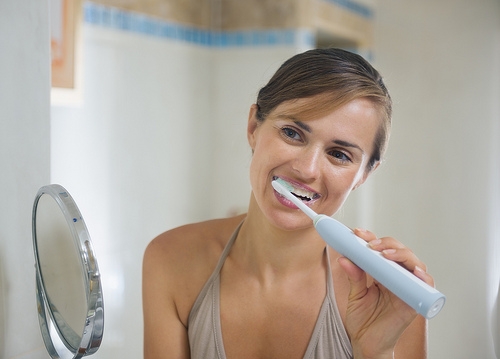
Since the introduction of the power toothbrush in the 1960s, this tool has undergone many technological advances, from design and bristle motions to rotation oscillation and sonic vibration.

What is rotation oscillation? That’s when the head of the toothbrush alternately rotates in one direction and then the other. Power toothbrushes can deliver up to 50,000 strokes per minute, which is much more effective than the average 300 strokes per minute with a manual toothbrush.

A smaller brush head is available for hard-to-reach areas, which is a good alternative for small mouths. The brush heads are replaceable and should be changed every three to six months. Each family member should have his or her own brush head while sharing the base motor. What a great deal! Check the handle size. A large handle is better for members of the household with arthritis, children, or family with other physical disabilities.

A rechargeable toothbrush is ideal. It should deliver enough power on a full charge for one week of brushing.

We recommend you brush for a minimum of two minutes. Some electric toothbrushes include a signal you can hear, such as a beep every 30 seconds, to indicate it's time to switch to a different area of the mouth. Others sound an alert after the full two minutes has elapsed.

Will an electric toothbrush harm the teeth or gums? Studies indicate that people tend to apply more damaging pressure to their teeth and gums during manual brushing than when they use an electric toothbrush. If you experience tooth sensitivity, choose a model with pressure sensors that stop the toothbrush any time you press too hard.

Who would benefit from an electric toothbrush? Everyone! Consumers with a physical disability may have specific needs that power toothbrushes can address. Children also tend to maintain better oral health hygiene when they use an automatic toothbrush. Plus, many of them find it fun to brush!

Automatic toothbrushes really do remove debris better than the old-fashioned way. You may have heard the term “biofilm.” Better known as plaque when it occurs in the mouth, biofilm is the debris and bacteria that cause infections to your teeth. It regenerates quickly, so healthy habits are the best defense for a healthier you! With a healthier mouth, you face a lower risk of gum disease and other conditions like heart disease: mouth health has been linked to heart health.

When you're ready to make your decisions, be a wise comparison shopper. Consult with Dr. Wendy Tang and Dr. Amy Bellamy at Just 4 Kids Pediatric Dentistry to decide what is best for you!

My toothbrush did what?

August 7th, 2024

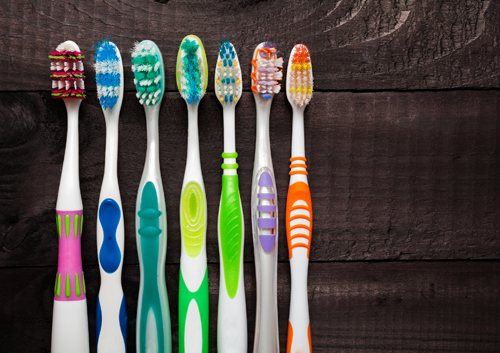
If you were to put your toothbrush bristles under a high-powered microscope, what you would see might give you nightmares: millions of bacteria, busily crawling up and down your toothbrush bristles, consuming proteins that came from your mouth, and still clinging to the bristles even after you’ve rinsed them with water.

Rinsing your toothbrush after brushing removes some of those ferociously hungry bacteria, but not all. The Canadian Dental Association says that bacterial infestations develop on toothbrushes within a month of daily use. The CDA also states that unless a toothbrush is sterilized before being packaged, it’s going to come with bacteria – free of charge!

Germs and Frayed Bristles: the Demise of a Toothbrush

Dr. Wendy Tang and Dr. Amy Bellamy and our staff recommend that you toss your old toothbrush in the trash and purchase a new one every three months. Children tend to bite on their toothbrushes, which makes the bristles degrade and fray faster. Chances are kids may need to have their toothbrushes changed more frequently.

Where do they hide?

Bacteria are tenacious little germs that head for those concealed areas between toothbrush bristles. They are highly adaptable and exist in every type of extreme environment. Some people actually go so far as to put their toothbrush in a microwave for a few seconds to kill germs, but this doesn't always work either. In fact, you may only end up with a toothbrush that’s as bendable as a Gumby doll – and still covered with germs.

Feed a Cold, Starve a Fever, and Get Rid of Your Toothbrush

When you have a head cold, your mouth is teeming with bacteria gleefully roaming around, and gobbling mucus and dead skin cells. If you brush your teeth while suffering a sinus condition, the brush will act like a magnet for ravenous bacteria. Use your old toothbrush while you are sick, but as soon as you feel better, throw it away and get a new one. Otherwise you could possibly re-infect yourself with the same cold germs!

Oral Health Tips: Travel Edition

July 31st, 2024

When you leave on a trip, you probably double-check that evrything’s ready: your clothes are packed, your ticket is handy, and your passport waits patiently on top of your bag or in a special pocket.

The same level of preparedness should apply with regard to caring for your oral health when you’re about to leave home for a while. Whether you’re jumping in the car for a weekend camping trip or flying halfway across the globe for a longer stint, the tips below will help you keep your teeth healthy whil you’re away.

Prepare Ahead of Time

The key to maintaining good oral hygiene during travel is preparation. Schedule a regular dental appointment so your teeth are freshly cleaned and ready before you leave. This can identify potential issues that might cause problems while you’re away.

If you have any items on a dental “to-do” list, such as wisdom tooth removal, replacement of a filling, or orthodontic adjustment, it’s a good idea to get those procedures completed before your trip.

En Route

If you’re stuck on a long flight or trekking far into the woods, you might find yourself where there’s no sink or even a toothbrush at hand. We speak for everyone when we say that nothing is worse than a mouth that feels, shall we say, less than fresh.

A lemon wedge or Granny Smith apple slice can help freshen up your breath when you’re in need of a quick fix. Rinsing your mouth thoroughly with water can help to wash away bacteria that causes cavities and reduce that gritty sensation. If you’ve got toothpaste, put a dot on your finger or a damp washcloth to serve as a makeshift toothbrush.

Nowadays, travel-sized dental products are available at most grocery stores and pharmacies. You can find travel toothbrushes, mini mouthwashes, and pocket-sized floss to slip into your travel bag.

Colgate makes disposable mini-toothbrushes called Wisps that can help you freshen up when you may not have access to a regular toothbrush. Packing a few extra dental supplies may also be a good idea in case one gets damaged or lost.

At Your Destination

Traveling abroad can expose you to unfamiliar conditions. Some countries have compromised water sources that will make you extremely ill if ingested, even from the tiny amount of water with which you wet your toothbrush.

Minimize that risk and keep bottles of water on hand instead for rinsing your mouth and toothbrush. If your toothbrush comes in contact with contaminated water, swapping it out for a new one is the safest option.

Storing your toothbrush properly is necessary to prevent bacteria from growing on it. Place your brush in a Ziploc bag when you’re on the go and allow it to breathe once you get to a temporary destination.

Traveling near or far should be an enjoyable experience. Dental issues shouldn’t be a source of worry on your vacation. As long as you’re prepared and take precautions, your teeth can stay healthy even when they’re out of the country!

Of course, if you have any questions, don’t hesitate to contact our Surrey, BC office.

Mon 8:00am to 5:00pm Tue 7:30am to 4:00pm Wed 8:00am to 5:00pm Thu 7:30am to 5:00pm Fri 8:00am to 4:00pm