Our Blog

Clean Toothbrush/Healthy Toothbrush

August 10th, 2022
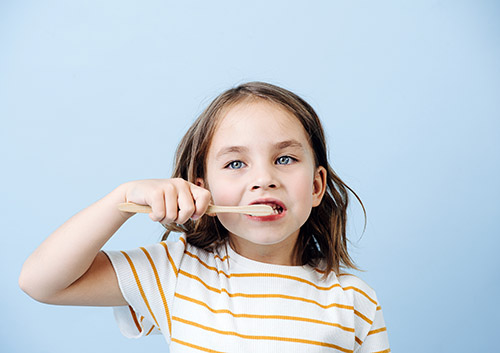
We’ve all learned a lot about staying healthy lately. As a parent, you give good advice about avoiding germs in public places, cleaning things that get touched a lot like phones and keyboards, and learning the best way to wash hands. These small daily habits can have a big effect on your child’s health.

And since you’re already taking care of your little one by making sure they brush at least twice a day, we have some good advice for small habits which can make their toothbrush even cleaner and brushing even healthier.

Brushing Habits

Don’t let germs hitch a ride on your child’s toothbrush before they even begin brushing! Make sure their hands are clean before they start, and rinse off the toothbrush before they put it in their mouth.

After brushing, be sure your child rinses their brush carefully to get rid of leftover toothpaste and bits of food. Also, clean the toothbrush holder regularly to get rid of germs and bacteria.

And while we’re talking about germs, how about . . .

  • Flushing Habits

Most toothbrushes live in the bathroom, where we also find—the toilet. Every time we flush, invisible bacteria and particles fly through the air. And while that might not make you sick, it’s still pretty gross. Closing the lid before you flush helps keep your family’s toothbrushes—and bathroom—cleaner.

  • Airing? Yes!

Keeping a toothbrush in a dark, wet environment is the perfect way to help bacteria grow. Instead of putting a wet toothbrush in a case, let it air dry standing heads up after use. Give it a shake first for a head start on drying out.

  • Sharing? No

We’re not talking about sharing a brush, which you would never do. We’re talking about sharing space. If your child’s brush touches other brushes in a toothbrush holder, it’s probably sharing germs. Toothbrushes shouldn’t be too close to other toothbrushes, no matter how close you are to the other brush’s owner!

Finally, no matter how well your child takes care of their toothbrush, there comes a time when you should let it go. After three or four months, bristles become frayed and worn out. This means the brush won’t remove plaque as well as it used to. And to be on the safe side, it’s a good idea to replace a brush if your child has been sick.

Keeping your child’s teeth and mouth healthy is one very important way to keep their whole body heathy and happy. Talk to Dr. Wendy Tang and Dr. Amy Bellamy at our Surrey, BC office to learn more about simple habits for healthy teeth!


What is Nitrous Oxide?

August 3rd, 2022

Many of our young patients experience anxiety during dental appointments. Dr. Wendy Tang and Dr. Amy Bellamy and our team want to help your child overcome any fear he or she may feel when coming in for regular visits.

If you know your child suffers from anxiety during dental checkups, nitrous oxide sedation, popularly known as “laughing gas,” may be helpful. Nitrous oxide can be used during many types of dental procedures.

It has a sweet odor and taste, and gets mixed with oxygen when supplied through a mask. The effects typically kick in within a few minutes and leave your child feeling calm and relaxed.

Nitrous is helpful because your child will stay conscious and able to move and answer questions the doctor may ask. The drug is also convenient because the effects go away within a few minutes after the mask is removed.

Nitrous oxide is not dangerous when it’s combined with oxygen. It is non-addictive and non-allergenic. When used properly, nitrous oxide reduces anxiety, while allowing continued communication between the patient and dentist during a procedure. It can also help alleviate pain or discomfort during exams.

You should know that nitrous oxide may cause nausea in up to ten percent of patients. This drug is not recommended for people who suffer from certain medical conditions. We recommend discussing this method with Dr. Wendy Tang and Dr. Amy Bellamy if your child's dental anxiety begins to interfere with his or her appointments.

We want all our patients to feel comfortable during their care. Talk with Dr. Wendy Tang and Dr. Amy Bellamy at your child's next appointment to find out if nitrous oxide is an option. If you have questions regarding nitrous oxide, call our Surrey, BC location and we’ll be happy to answer them.


Cleaning Your Baby’s Teeth

July 27th, 2022

In the eyes of most parents, nothing is cuter than their baby’s smile. Did you know your little one’s smile (that is, his or her oral health) actually plays a huge role in determining the child’s overall well-being? In order to keep your youngster healthy and smiling, you need to know when and how to take care of those tiny teeth.

Baby teeth aren’t just temporaries that will fall out eventually. They help your baby chew and talk, and they reserve space in the jaw for permanent teeth later on. Since they’re so important, the right time to start dental care is only a few days after your infant is born.

Take a soft, wet washcloth or piece of gauze and gently wipe your baby’s gums. The earlier you begin, the more accustomed your child will become to a daily dental hygiene routine.

Babies that are put to bed with a bottle may be at greater risk for developing cavities. Milk, juice, and any other drinks that contain sugar instigate tooth decay while the child sleeps.

If your baby must go to bed with something, a bottle of water is the healthiest option. Remember to wipe your little one’s gums after each feeding, whether it’s formula from a bottle or breast milk.

As soon as your infant’s first tooth comes in, it’s time to start brushing! Twice a day, take a small amount of toothpaste (about the size of a grain of rice) and brush your son or daughter’s teeth gently in circular motions. As soon as your toddler has multiple teeth that touch one another, floss up and down the sides of the teeth to remove any plaque between them or below the gumline.

Babies’ teeth are prone to cavities and gingivitis, so you’ll want to be on the lookout for telltale signs. Check regularly for red, swollen gums, because this may be an indication of developing gum disease. Discoloration, white spots, or small pits in the teeth can signal a forming cavity.

As long as you follow these simple guidelines and schedule regular dental checkups with Dr. Wendy Tang and Dr. Amy Bellamy at our Surrey, BC office, you can help to ensure your baby has a healthy mouth. There is nothing more rewarding than seeing your happy baby’s healthy smile.

When do children usually lose their baby teeth?

July 20th, 2022

Many parents have concerns about their children’s teeth not falling out on time. Dr. Wendy Tang and Dr. Amy Bellamy and our team are here to answer any questions parents may have about when children lose their teeth.

Children have 20 primary teeth that come in around age three. By about age six, these teeth will loosen and begin to fall out on their own to make room for the permanent ones. It is common for girls to lose their baby teeth earlier than boys. Most children lose their final baby tooth by age 13.

Baby teeth normally fall out in the order in which they came in. The lower center incisors are usually the first to fall, around age six or seven, followed by the upper central incisors.

If a child loses a tooth to decay or an accident, the permanent tooth may come in too early and take a crooked position due to teeth crowding. If your child loses a tooth to decay or accident, call Dr. Wendy Tang and Dr. Amy Bellamy to make an appointment.

Some kids can’t wait for their baby teeth to fall out, while others dread the thought of losing a tooth. When your child begins to lose teeth, you should emphasize the importance of proper dental care on a daily basis to promote a healthy mouth.

Remember to:

  • Remind your child to brush his or her teeth at least twice a day and offer assistance if needed
  • Help your child floss at bedtime
  • Limit eating and drinking between meals and at bedtime, especially sugary treats and drinks
  • Schedule regular dental visits for your child every six months.
  • Ask about the use of fluoride treatments and dental sealants to help prevent tooth decay.

Call Just 4 Kids Pediatric Dentistry to learn more about caring for baby teeth or to schedule an appointment at our Surrey, BC office!

Mon 8:00am to 4:00pm Tue 8:00am to 4:00pm Wed 8:00am to 4:00pm Thu 7:30am to 5:00pm Fri 8:00am to 4:00pm