February 5th, 2013
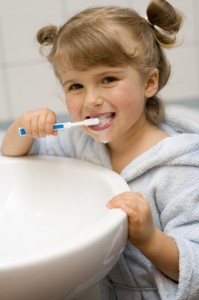 Did you know February is National Dental Health Month? It’s a great time of the year to renew those resolutions about continuing to practice great dental hygiene. Today, we thought we would discuss the importance of preventative oral care. While most folks are familiar with traditional healthy-conscious practices such as eating well and exercising regularly, lesser-known are the benefits that great oral hygiene provides to your cardiovascular health.
Here are a few tips to help you continue taking care of those pearly whites and in the process, your heart.
*Brush and floss every day to remove the plaque that can lead to cavities. Flossing daily removes food debris that your toothbrush simply cannot reach.
*Replace your toothbrush on a regular basis. You should replace your toothbrush every three to four months or after a cold to prevent re-infection. Please remember to use a soft toothbrush so that you don’t wear off the enamel of your teeth.
*Visit our office regularly. The American Dental Association recommends you visit us every six months (or as recommended) for regular checkups and cleanings. Fluoride treatments twice a year will help prevent tooth decay.
Each February, we focus on the preventive oral care of our patients. Have you visited us in the past six months? If not, it’s time to give us a call and schedule an appointment!
January 29th, 2013

Babies get fevers when teething:
Fiction: Contrary to popular belief, it is not normal for a teething baby to have a fever. Diarrhea and rashes are also not normal. If your infant has a fever or diarrhea while teething or continues to be cranky and uncomfortable, call your physician.
Baby teeth are important:
Fact: Baby teeth hold places in the mouth for adult teeth. When a baby tooth is lost too early, the permanent teeth can drift into the empty space and make it difficult to other adult teeth to find room when they come in. This can make teeth crooked or crowded. Taking good care of your child’s baby teeth may help to avoid other problems when he or she is older.
Malocclusions/bad bites aren’t serious:
Fiction: Malocclusions, or bad bites, can be serious. If not treated early, a bad bite can make it difficult to keep teeth and gums clean where teeth are crooked or crowded, increasing the risk for cavities and gum disease.
Diluting juice is better for your child’s teeth:
Fiction: There’s a saying in the dental world that goes like this: “Snack and sip all day? Risk decay!” Don’t put your smile at risk by drinking too many sugary drinks. If you do drink something sweet, try and rinse your mouth with water afterward. Brush your teeth two times a day with a fluoride toothpaste.
Getting a sealant put on a tooth hurts:
Fiction: Sealing a tooth is fast and easy and protects your child’s teeth from decay. Sealants act as barriers to cavity-prone areas.
Click here to take quiz yourself! To learn more, check out the Mouth Healthy website!
January 22nd, 2013
 Looking for ways to motivate your child to brush his or her teeth? Why not compare their teeth to those of their favorite animals? After all, everyone loves fun facts. Like people, some animals have several different kinds of teeth, while others have only one kind. Others don't have any teeth at all! Animals’ teeth also give us clues about what they eat. Here are some fun facts comparing human teeth and animal teeth we thought you might enjoy, courtesy of the American Student Dental Association!
- -- Humans form two sets of teeth over the course of a lifetime, with baby teeth being replaced by adult teeth between the ages of 6 and 12.
- -- An average human being has around 32 teeth. This includes four wisdom teeth, eight incisors, four canines, twelve molars and eight premolars.
- -- When you see a hippopotamus opening its mouth, it seems as though they have only four teeth! But they actually have 40 pearly whites.
- -- Dogs rarely get cavities because their saliva has an extremely high pH, which prevents demineralization.
- -- An elephant’s molars can weigh up to 10 lbs.
- -- The teeth of the pocket gopher grow up to 15 inches a year!
- -- The blue whale is the largest mammal on earth, but it dines exclusively on tiny shrimp because it has no teeth
- -- Armadillos, common in the southwest, have 104 teeth.
- -- Snails can have more than 25,000 teeth, which are located on the tongue.
- -- Dolphins only get one set of teeth to last a lifetime!
- -- And here’s one from prehistoric times! The Tyrannosaurus Rex, or T-Rex, had more than 60 thick, conical, bone-crunching teeth that were up to 9 inches long. Its jaws were up to 4 feet long.
We hope you enjoyed these fun facts! Stay tuned for more soon!
January 15th, 2013
 We know getting or losing that first tooth are both fun milestones! We also know teething patterns vary from child to child as some children don’t have any teeth by their first birthday, while others have a mouthful by then. Here are a few dental hygiene tips that can help prevent tooth decay and problems later on!
- -- Your child will have 20 baby teeth, which will later be replaced by permanent teeth. A baby’s first tooth can come in as early as three months or as late as 1 year of age, however primary teeth usually begin to break through the gums when a child is about 6 months old. Most kids have all of their primary teeth by the time they are three years old.
- -- So, when should your child first visit our office? According to the American Academy of Pediatric Dentistry, or AAPD, children should visit our office by their first birthday. It is important that your child’s newly-erupted teeth (erupting at 6-12 months of age) receive proper dental care and benefit from proper oral hygiene habits right from the beginning.
- -- Blueberries, cheese, yogurt, whole wheat bread and whole grain cereal are all nutritional powerhouses for your child. Blueberries are loaded with Vitamin C, as well as folic acid, minerals, fiber and disease-fighting phytochemicals, which have shown to help prevent cancer and diabetes. Bread provides your little one with iron, vitamins, magnesium, and zinc while a bowl of cereal provides much-needed calcium and fiber. And low fat yogurt? Always an excellent source of calcium, especially when whipped up in a parfait with berries and granola.
- -- Kids love candy. But while those sweet, sour and sticky candies may taste great, treats are known to damage teeth. Did you know sour candies can be acidic to your teeth, and actually wear down the enamel that protects them? This can cause tooth decay and cavities! Sour and fruity candy, such as Starburst and Skittles, are the worst for your teeth since these candies have a low pH value, which is known to ruin your child’s enamel. Instead, try softer treats, such as soft chocolate or peanut butter cups, or melt-in-your-mouth foods. Those who indulge should make sure they brush and floss between teeth, as well as at the gum line.
- -- Brushing your child’s teeth is crucial. But while getting your child’s teeth clean is important, over-brushing can actually damage his or her teeth or gums. Brushing too hard can wear away the tooth enamel and cause sensitivity. Place the toothbrush at a 45-degree angle to the tooth surface and use short, gentle back and forth strokes. Make sure to clean all of the surfaces of your child's teeth, including inside, outside, and chewing surfaces and do not forget to brush his or her tongue.
Remember, a child’s oral health is closely linked to his or her overall health. Developing good habits at an early age and scheduling regular visits to our office helps kids get a jump start in maintaining a lifetime of healthy smiles.
Lastly, has it been six months since your child’s last visit to our office? If the answer is yes, we encourage you to give us a call to book an appointment! We look forward to seeing you!
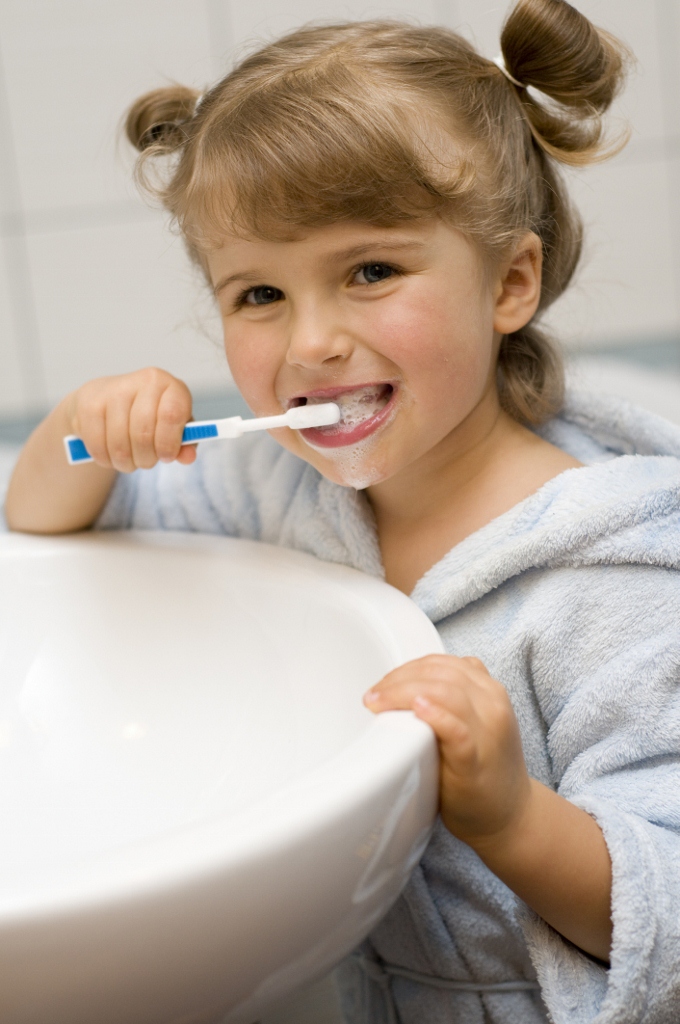 Did you know February is National Dental Health Month? It’s a great time of the year to renew those resolutions about continuing to practice great dental hygiene. Today, we thought we would discuss the importance of preventative oral care. While most folks are familiar with traditional healthy-conscious practices such as eating well and exercising regularly, lesser-known are the benefits that great oral hygiene provides to your cardiovascular health.