
Our Blog

Providing the Right Dental Care for your Children

May 20th, 2013
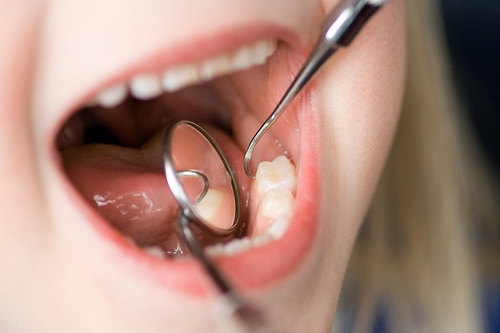
You already know that Just 4 Kids Pediatric Dentistry recommends you come in for a checkup and cleaning at least every six months, but do you know what your child’s dental needs are? From the time children are babies and growing in their first teeth, their oral health care needs may be different from adults. It’s important to know what they need, and when, to help them grow strong, healthy teeth.

When to See Our Team at Just 4 Kids Pediatric Dentistry

While dental care (at home) can begin as soon as your baby starts to show signs of that first tooth, most experts do not recommend you see a dentist until your child is at least one year old. The child will likely be too young at this point to have a full dental exam, but we can take a look at your baby’s teeth and give you tips for brushing and flossing properly.

By the time your child has all of his or her baby teeth—usually around 24 to 30 months of age—we can begin scheduling regular checkups and cleanings.

What to Expect on the First Visits

The first visit to our Surrey, BC office for a full exam will mostly involve getting to know Dr. Tang and staff members, and making your child feel comfortable. Let us know if you would like to sit in the exam room during the appointment, but keep in mind that it may be beneficial to leave your child alone with Dr. Tang for a portion of the appointment so we can start building trust with your child.

Our team at Just 4 Kids Pediatric Dentistry will likely do some or all of the following during your child's visit:

  • Look for signs of decay or other tooth or gum problems
  • Examine your child’s bite, checking for misalignment that could lead to problems in the future
  • Clean the teeth, and apply fluoride if your child is old enough
  • Talk to you about proper oral health care for your children
  • Answer any questions you may have about caring for your child’s teeth, which may include topics like fluoride needs, nutrition and diet, teething, and the frequency of future checkups

In most cases, we will recommend that you bring your child in every six months for regular checkups, the same as your recommended frequency.

Understanding your child’s unique dental needs is important for providing the best possible care when it becomes necessary. We look forward to building a good relationship with your child so coming to the dentist is a fun, rewarding experience and not a frightening one.


What puts you at ease in our office?

May 13th, 2013

Dr. Tang and our team understand not everyone is thrilled to see the dentist. But we strive to bring you the best and most comforting experience at each visit. We’d like to know: What is it about our Surrey, BC office that makes you comfortable or puts you at ease? Is it something about our pleasant office environment? Our friendly staff or doctors?

Let us know by posting below or on our Facebook page! Or tell us at your next scheduled visit!

Common Emergency Care Visits: Toothaches or Abscesses

May 2nd, 2013

Dental problems do not always wait for normal office hours. Broken fillings or damaged teeth are common reasons for emergency treatment. Toothaches and abscesses can also require prompt attention. Just 4 Kids Pediatric Dentistry can provide you with the information and treatment you need to prevent the problem from becoming worse. Emergency dental care is only a phone call away, 24 hours a day, seven days a week.

Abscess

According to the American Academy of Family Physicians, an abscess is a bacterial infection. An abscess will normally cause pain and swelling around the affected tooth and gum area. Antibiotics are not always necessary, but you should seek treatment quickly. Left untreated, an infection can spread and cause serious complications.

Toothache

There are many reasons that you may develop a sudden toothache. The cause of the pain may be a particle of food lodged between your tooth and gum line. One of the first steps you can take is to rinse your mouth with warm water. You may also try gently flossing the area to dislodge the particle. Do not continue flossing if bleeding occurs.

Toothaches can occur from a carie — a cavity in the tooth — or from a fracture. Sensitivity to heat or cold may also cause tooth pain. You should make an appointment to ensure that a minor problem does not become serious. We may recommend acetaminophen or another pain reliever to reduce the pain before your visit.

Additional tips and treatments:

  • If you have fractured a tooth, rinse the area with warm water to keep the surfaces clean. Apply a cold compress to the outside of your facial area to reduce swelling.
  • A tooth that has been knocked out should be kept moist, in a clean container, until you can receive treatment.
  • Do not apply aspirin directly on a damaged tooth or gum area as it can cause tissue irritation.
  • If you suspect that your jaw has been broken, go to an emergency room immediately.
  • If you have bitten or damaged your lips or tongue, rinse your mouth well with warm water. If bleeding continues, call us or seek other medical attention immediately.

Our team is ready to assist you when you have an emergency dental need. When you call, please provide us with as much information as possible so we can offer recommendations that will assist you until your appointment. Do not delay; emergency treatment is available and immediate treatment is the best course of action.

Navigating the World of Dental Insurance Terminology, from Just4Kids Pediatric Dentistry

April 25th, 2013

Unless you work for an insurance company, you probably do not spend a lot of your time studying all the terminology that dental insurance companies use to describe the treatments and services they cover. If it seems pretty confusing, here are some of the most commonly used dental insurance terms and what they mean.

A Basic Glossary

Annual Maximum - The maximum amount your policy will pay per year for dental care at Just4Kids Pediatric Dentistry. It is often divided into costs per individual, and (if you are on a family plan) per family

Co-payment- - An amount the patient pays at the time of service before receiving care, and before the insurance pays for any portion of the care

Covered Services - A list of all the treatments, services, and procedures the insurance policy will cover under your contract

Deductible - A dollar amount that you must pay out of pocket each year before the insurance company will pay for any treatments or procedures

Diagnostic/Preventive Services - A category of treatments or procedures that most insurance will cover before the deductible which may include services like routine check-ups with Dr. Tang, cleanings, X-rays, fluoride treatments, and evaluations

In-Network and Out-of-Network - A list of providers that are part of an insurance company’s “network”

  • If you visit in-network providers, the insurance company will typically cover a larger portion of the cost of the care you receive. If you visit someone who is not part of the network, known as an out-of-network provider, the insurance company may pay for a portion of the care, but you will pay a significantly larger share from your own pocket.

Lifetime Maximum– The maximum amount that a dental insurance plan will pay toward dental care for an individual or family (if you have an applicable family plan)

  • This is not a per-year maximum, but rather a maximum that can be paid over the entire life of the patient.

Limitations/Exclusions– A list of all the procedures a dental insurance policy does not cover

  • Coverage may limit the timing or frequency of a specific treatment or procedure (only covering a certain number within a calendar year), or may exclude some treatments entirely. Knowing the limitations and exclusions of a policy is very important.

Member/Insured/Covered Person/Beneficiary/Enrollee– Someone who is eligible to receive benefits under a dental insurance plan

Provider - Dr. Tang or other oral health specialist who provides treatment

Waiting Period– A specified amount of time that the patient must be enrolled with an insurance plan before it will pay for certain treatments – waiting periods may be waived if you were previously enrolled in another dental insurance plan with a different carrier

There are many different insurance options available, so you need to find out exactly what your insurance covers. It’s important to review your plan with a qualified insurance specialist. Don’t be afraid to ask questions about the policy so you can understand it fully and be confident that you know everything your policy covers the next time you come in for treatment at our Surrey, BC office.

Mon 8:00am to 4:00pm Tue 8:00am to 4:00pm Wed 8:00am to 4:00pm Thu 7:30am to 5:00pm Fri 8:00am to 4:00pm