
Our Blog

What is a pediatric dentist?

February 4th, 2014
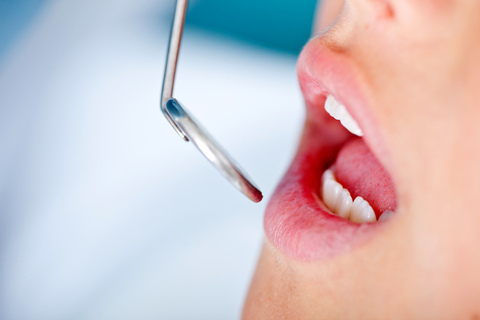
Our team at Just 4 Kids Pediatric Dentistry hears this question a lot. According to our friends at the Canadian Dental Association, "Pediatric dentistry is a branch and specialty of dentistry concerned with providing primary and comprehensive preventive and therapeutic oral health diagnosis, care, and consultative expertise for infants and children through adolescence, including those of all ages with special care needs.”

Pediatric dentists, such as Dr. Tang, are dedicated to the oral health of our young patients from infancy through their teen years. Our team at Just 4 Kids Pediatric Dentistry has the experience and qualifications to care for your child’s teeth, gums, and mouth throughout his or her various stages of childhood.

Pediatric dentists complete at least four years of dental school, including an additional two additional years of residency training in dentistry for infants, children, teens, and children with special needs.

At Just 4 Kids Pediatric Dentistry, we know children are not born with a fear of the dentist, but they can fear the unknown. And that is why Dr. Tang and our team know how to examine and treat children in ways that make them relaxed and comfortable.

To learn more about pediatric dentistry, or to schedule your child's next visit at our Surrey, BC office, please give us a call today!

What is hand-foot-and-mouth disease?

January 28th, 2014

Hand-foot-and-mouth disease, or HFMD, is a type of contagious viral illness that causes a rash in the mouth and on the hands and feet of infants and young children, and, while rare, adults. Characterized by sores in the mouth and a rash on the hands and feet, hand-foot-and-mouth disease is most commonly caused by a coxsackievirus, a bacterium that lives in the human digestive tract. HFMD can spread from person to person, typically via unwashed hands.

What are the symptoms of HFMD?

Symptoms of HFMD usually begin with a fever, sore throat, poor appetite, or general malaise. A couple of days after the fever starts, kids may develop painful sores in the mouth. A skin rash characterized by red spots may also develop, usually on the palms of your child’s hands and soles of their feet. It’s important to note some children may only experience a rash while others may only have mouth sores.

Is HFMD serious? Should we be concerned?

Usually not. Nearly all children infected recover anywhere between seven to ten days without medical treatment. Rarely, however, a child can develop viral meningitis and may need to be hospitalized. Other rare complications of HFMD can include encephalitis (brain inflammation), which can be fatal.

How can my child prevent HFMD?

There is no known vaccine to defend your child against HFMD. However, the risk of your child contracting the disease can be reduced by:

  • Making sure your child washes his or her hands often
  • Thoroughly cleaning objects and surfaces (these include doorknobs and toys)
  • Making sure your child avoids close contact with those who are infected

To learn more about hand-foot-and-mouth disease or to schedule an appointment for your child, please give us a call at our Surrey, BC office!

Don't brush after EVERY meal!

January 14th, 2014

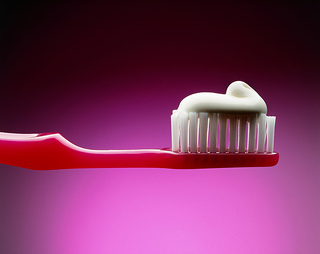
This may come as a surprise, but brushing your teeth right after a meal can be one of the worst things you can do for your healthy teeth. A toothbrush can be considered an assault weapon against your smile if used immediately after eating certain foods.

Enamel is like the tooth’s shield. It is a hard mineral exterior on each of your teeth. In reality, enamel is the hardest part of the human body—even stronger than bone! I like to regard it as a “super-structure.” But every superhero has a weakness, and enamel’s kryptonite is acid.

A healthy tooth lives in a mouth that has a proper pH balance. When that balance tips from alkaline to acidic, a harmful process called demineralization begins. Demineralization occurs when acids attack and soften the tooth surface. Pores and fissures form and harmful bacteria move in.

With each bite of food or drink, our mouth pH fluctuates. Highly acidic foods tip the balance of your mouth from a healthy alkaline to a dangerous acid. Here are some examples of those sources of acid: citrus fruits, soda, and sugary foods. There are certainly many others, but these are the most common.

So how does brushing your teeth immediately after a meal make this process even worse?

After eating highly acidic foods, your teeth are susceptible to damage. When you brush your teeth in this weakened state you are actually damaging your enamel. The abrasive bristles of the brush wear away the protective surface of the teeth. You should avoid brushing for at least an hour, or take other, simple preventive measures immediately following a meal.

First, rinse with or drink clear water. Then chew some sugarless gum. Both of these practices will produce saliva, restore a healthy pH level in your mouth, and coat your teeth with nourishing minerals. Out of all the sugarless gums available, the best of the best are those that list xylitol as the first ingredient. Another option is to consume cheese, milk, or another non-acidic food or drink to conclude your meal.

After you have given your mouth time to return to a healthy pH, feel free to brush your teeth. Just keep in mind that any time you eat acidic foods, you weaken your teeth. Make sure not to worsen the problem by brushing immediately after dining and damaging your teeth even more. Questions? Call us at Just 4 Kids Pediatric Dentistry.

Five Nutrition Tips for Healthy Kids' Smiles

January 7th, 2014

If your child could have it his way, chances are he would eat Lucky Charms for breakfast, a peanut butter and fluff sandwich for lunch, and chicken fingers slathered in ketchup for dinner.

Kids will be kids, and maintaining a healthy diet is often the farthest thing from their minds. Do you remember the old saying “an apple a day keeps the doctor away”? Well, that folksy wisdom can be applied to oral health, too. Think of it like this: an apple a day keeps the dentist at bay. Here are five nutrition tips Dr. Tang and our team at Just4Kids wanted to pass along that will give your child a healthy, bright smile.

  1. Eat a well-balanced diet of fruits and vegetables. We weren't joking about the apple. An apple naturally scrubs and cleans your teeth. The nutrients and antioxidants in vegetables are good for the entire body.
  2. According to the Centers for Disease Control and Prevention, calcium is a mineral needed by the body for healthy bones and teeth, and proper function of the heart, muscles, and nerves. Dairy products like milk, cheese, and yogurt are good sources of calcium. Dark leafy vegetables and calcium-fortified foods like orange juice and tofu are also healthy options.
  3. Keep snacking to a minimum. Sticky and gummy snacks can increase a child’s risk of tooth decay. Unless a child brushes after every snack (and what child does?), sticky snacks can easily get lodged between the teeth.
  4. Limit soda intake. Drinking large amounts of soda has been linked to childhood obesity. Soda is loaded with sugars and acids, and these ingredients also damage the teeth. Soft drinks have long been one of the most prominent sources of tooth decay. Have your child drink water throughout the day or juice that’s low in sugar concentrate.
  5. Chew sugarless gum. After all those fruits and vegetables, sooner or later your child is going to want a treat. Chewing gum stimulates saliva, which in turn helps keep teeth clean and bacteria-free. Sugarless gum contains xylitol. The combination of excess saliva and xylitol reduces plaque, fights cavities, and prevents the growth of oral bacteria.

For more information on keeping your child’s smile looking its very best, or to schedule an appointment with Dr. Tang, please give us a call at our convenient Surrey, BC office!


Mon 8:00am to 4:00pm Tue 8:00am to 4:00pm Wed 8:00am to 4:00pm Thu 7:30am to 5:00pm Fri 8:00am to 4:00pm