Our Blog

Snacks for Healthy Teeth

May 13th, 2014

Concerned parents often ask Dr. Tang about which kinds of snacks are best for a child's teeth. While most know that candy isn't always the best choice, many parents are confused about which kinds of after-school snacks can actually be beneficial for teeth. Left to their own devices, children might pick the sugary snack that comes in colorful packaging. There are, however, choices that are much better for your child's teeth.

Go Natural

The foods that are best for your children's teeth are also the best for their overall health. Choosing whole foods, such as fruits and vegetables, is always the best option for snacks. Try sticks of celery and let your kids dip it into all-natural peanut butter, or a juicy and crunchy apple cut into wedges.

Lean Proteins

Lean protein, such as chicken breast, fish, turkey, and lean cuts of pork also make good snacking options. For the best overall health, avoid giving your child a lot of lunch meats, because such products are often higher in sodium. However, these proteins are also low in sugar, which is always a preferable choice when it comes to teeth.

Avoid Packaged Foods

Sugars are unhealthy partly because they stick more readily to the surface of the teeth. Even foods that appear to be healthy, such as many brands of granola bars, can in fact be loaded with hidden sugars. Sugar can also be found in higher concentrations in dried fruit, honey, and syrups. The rule is that if a foodstuff has been altered in any way from its original state then there are perhaps better choices.

Beverages

Drinks are another murky area. Parents often presume that fruit juices are an acceptable beverage when in reality many of them are loaded with excessive sugar as well. The best beverages for your child's teeth are water and low-fat milk. Milk has the added benefit of containing calcium, which is highly beneficial for the bone structure that supports the teeth.

An apple a day might keep the doctor away, but it is also a great snack to keep teeth healthy. The next time your children are looking for an after-school snack, guide them toward healthier, low-sugar options that are beneficial to their overall health and their teeth.
Good Dental Hygiene Impacts Overall General Health

May 6th, 2014

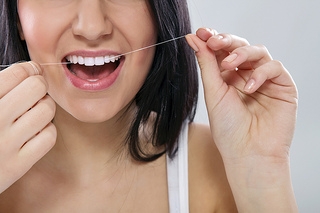
There are many ways in which your oral health has an impact on your overall general health. There are naturally occurring bacteria in the mouth. Some of those bacteria, including strep and staph, are harmful, while other bacteria are essential for the balance of intestinal flora. The healthier your mouth is, the less likely it is the harmful bacteria will travel to other parts of your body to infect it and make you sick. There is much more to good dental hygiene than brushing and flossing.

Historical Methods of Maintaining Oral Health

Ancient civilizations relied on natural remedies for maintaining oral health. Around 250 AD, the Kemetic Egyptians used myrrh and other herbs as antiseptics for treating infected gums. Two centuries later, the Nubians, who lived in the Nile River valley, drank beer to ease the pain of infected teeth. That probably sounds crazy, but their beer was effective because they used grains that were contaminated with the same bacteria that produce the antibiotic tetracycline.

Today's Biggest Dental Hygiene Challenge

In the past, tooth decay was more of an issue because there was no routine dental care, and problems that are routinely treated today went untreated. Thanks to fluoridated water and toothpastes containing fluoride, tooth decay is far less problematic than it was a century or more ago. Gum disease has replaced tooth decay as the most serious dental problem facing people today. According to the Canadian Dental Association, 70 percent of Canadians suffer from some form of periodontal disease some time in their lives.

Ironically, if that infection attacked any other part of your body, especially in a place where it was clearly visible, you would head to your doctor for treatment immediately. People tend to ignore gum tenderness and bleeding. When the tenderness and bleeding aren't treated, the inflammation can turn into periodontitis. The longer you allow the inflammation to go untreated, the greater the likelihood that it will affect other body parts. Make sure to visit Dr. Tang at Just 4 Kids Pediatric Dentistry regularly to be proactive about dental health!

Researchers are now discovering that untreated inflammation in the mouth acts as a driving force for multiple chronic illnesses, including clogged arteries, heart attacks, arthritis, and even cancer. That inflammation is one of many hypotheses that may explain how chronic infections can trigger systemic diseases, and even intensify existing ones. Bacterial overgrowth in the inflamed gum tissue can enter the bloodstream through the food you eat, and from daily brushing.

Caring for your mouth at home is just as important as visiting our office for exams!

How do I handle my child’s dental emergency?

April 29th, 2014

With children undergoing developmental dental changes and engaging in rough-and-tumble activities, dental emergencies can sometimes arise. If your child knocks out a tooth or experiences any type of oral discomfort, call Just 4 Kids Pediatric Dentistry right away so we can provide you with a quick assessment and pain-free treatment.

Before an emergency occurs, it’s a good idea to stay informed about the problems your child may encounter. Here are a few things you should keep in mind about teething pain, loose baby teeth, and other common dental issues.

Teething Pain

Typically occurring in babies that are between four months and two and a half years old, teething may cause excessive drooling, tender gums, and some irritability. Giving your baby a cold teething ring or gently rubbing her gums with wet gauze or your finger may also make her feel better.

Loose Baby Tooth

It is normal for a child’s first set of teeth to become loose and fall out. On the other hand, if your child’s baby tooth is knocked loose, schedule an appointment with our office so we can assess whether any damage has been done.

Issues with Permanent Teeth

Sometimes a child’s permanent teeth will grow in before the baby teeth have fallen out. Even if this condition isn’t causing any discomfort, you should schedule an appointment with our office so we can determine whether your child’s permanent teeth are growing in correctly.

Bleeding Gums

Bleeding gums can result from a number of factors, including periodontal disease, rough brushing, or an injury to the gum tissue. If your child’s gums are bleeding heavily, call our office right away so we can address the situation. If you have time before your appointment, wash your child’s mouth with salted water and gently put pressure on the affected area.

Regardless of the type of dental issue your child has, you can always consult Dr. Tang for further guidance. We make sure our emergency services are available 24 hours a day and seven days a week, so you have ready access to convenient and professional dental care that will have your child feeling better in no time.

Earth Day

April 22nd, 2014

The idea for Earth Day was the brainchild of Gaylord Nelson, a senator from Wisconsin. He envisioned an Earth Day that would be a kind of environmental teach-in. The first Earth Day celebration took place on April 22, 1970, and a surprising 20 million people participated on that day. Ultimately, it became the largest organized celebration in US history.

Earth Day Over the Years

Over the years, the recognition of the day, and the number of people celebrating it all over the world, turned Earth Day into an international celebration. Because it is celebrated throughout the world, it is not only the largest international environmental observation, but it is also more widely celebrated than any other environmental event in the world. Today, Earth Day is celebrated in 175 countries where over 500 million people participate in celebrations.

The Earth Day Movement

The Earth Day movement is credited with developing the idea that people should “think green”. It encouraged congress to enact laws, including one that resulted in the creation of the Environmental Protection Agency. It also inspired the passage of the Endangered Species Act.

The Five R's and Their Importance

  • Reduce – Reduce by avoiding unnecessary purchases. Reduce your use of materials that wind up in landfills. Reduce the use of chemicals around your house. Reduce your use of disposable bags, plates, cups, eating utensils, and batteries.
  • Reuse – Instead of using plastic bags for your groceries or purchases, bring your own reusable bags. When you go to buy coffee at Starbucks, take a travel mug so you don't have to get your coffee in a disposable paper cup. Instead of storing food in disposable refrigerator containers, buy containers that can be washed and reused. Don't use regular batteries. Whenever possible, opt for rechargeable batteries that you can reuse.
  • Recycle – Most cities offer a recycling program to collect used bottles, cans, and newspapers. Recycling includes collecting recyclable materials that would otherwise be considered waste, sorting and processing recyclables into raw materials such as fibers and manufacturing raw materials into new products.
  • Re-buy – Make an effort to purchase things that are made through recycling. When purchasing furniture, look for items that are made from reclaimed wood. When buying paper for kids school work, computer printer paper, holiday cards, or anything else, make a point of purchasing recycled paper products. Instead of buying clothing at full retail price, shop for second hand clothing. You will save a lot of money by doing so!
  • Rethink – Rethink the way you do things so that you do them in an eco-conscious way at all times. Instead of driving to work alone, consider taking the bus or going in a carpool. Walk or ride your bike when you're only going a short distance. Plan your shopping trips and errand runs so that you can do everything on one day, and do it in a way where you can save time and gas.

Other ways to "think green" include growing your own food, composting yard waste and food scraps, or by participating in local recycling programs. Join a group like Freecycle so you can share your unneeded and unwanted possessions with people who can use them. Likewise, you'll be able to get things you need or want for free.

Earth Day teaches people that the planet belongs to everyone, so everyone is equally responsible for protecting it. Although Earth Day is an environmental celebration, our team at Just 4 Kids Pediatric Dentistry wants to remind you that you don't have to wait until then to make changes that will allow you and your family to live a greener life.

Happy Earth Day from the team at Just 4 Kids Pediatric Dentistry.

Mon 8:00am to 4:00pm Tue 8:00am to 4:00pm Wed 8:00am to 4:00pm Thu 7:30am to 5:00pm Fri 8:00am to 4:00pm